
The Dream's Legacy: Hakeem Olajuwon's Towering Impact on the NBA and African Basketball
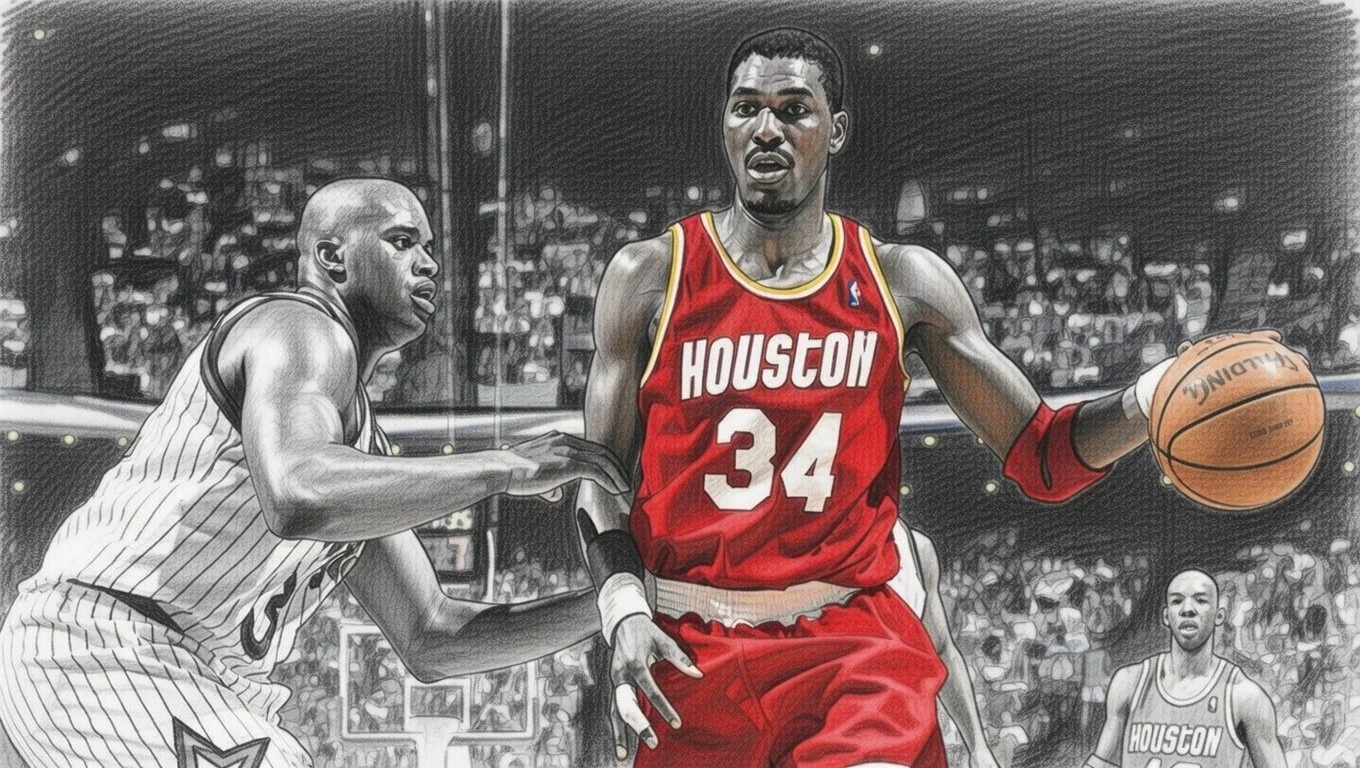
In the pantheon of NBA legends, few stories rival that of Hakeem "The Dream" Olajuwon, the Nigerian-born center whose graceful footwork and unyielding defense revolutionized the game. Born Akeem Abdul Olajuwon on January 21, 1963, in Lagos, Nigeria, he discovered basketball at age 15, transitioning from soccer and handball. Recruited to the University of Houston in 1981, Olajuwon's raw talent blossomed under coach Guy Lewis, leading the Cougars to three Final Fours and earning the nickname "The Dream" for his ethereal post moves. Drafted first overall by the Houston Rockets in 1984—ahead of Michael Jordan—he became the first African-born player to dominate the league, shattering stereotypes and opening doors for international talent.
Olajuwon's NBA career spanned 18 seasons (1984-2002), primarily with the Rockets, where he amassed 26,946 points, 13,748 rebounds, and 3,830 blocks—third all-time. His signature "Dream Shake," a series of fakes and spins, baffled defenders, while his shot-blocking prowess earned him two Defensive Player of the Year awards (1993, 1994). The pinnacle came in 1994 and 1995, leading Houston to back-to-back championships—the only titles in franchise history. In 1994, he became the first player to win MVP, Finals MVP, and Defensive Player of the Year in one season, outdueling Shaquille O'Neal and Patrick Ewing. His impact reshaped the NBA: emphasizing international scouting, he paved the way for stars like Dirk Nowitzki and Yao Ming. By the 1990s, Olajuwon's success encouraged teams to draft globally, diversifying a league once dominated by Americans.
Beyond stats, Olajuwon's influence extended to Africa, where basketball was nascent. As the first African superstar, he inspired a continent: his achievements prompted NBA scouts to explore Africa, creating a pipeline that has produced over 100 African-born players. In Nigeria, his homeland, youth participation soared; clinics and academies sprouted, fueled by his visits. Appointed NBA Ambassador to Africa in 2014, Olajuwon represented the league in development events, promoting the sport through Basketball Without Borders (BWB) camps. These initiatives, starting in 2003, have trained thousands, with alumni like Joel Embiid crediting them. Olajuwon's role helped launch the Basketball Africa League (BAL) in 2021, a professional circuit fostering economic growth and talent export.
His charity work exemplifies his commitment. A devout Muslim who changed his name to Hakeem in 1991, Olajuwon built mosques in Houston and Nigeria, including the Islamic Da'wah Center. Through the Dream Foundation, established in 1994, he funded scholarships, youth programs, and disaster relief—donating millions for Hurricane Katrina victims and African education. In Africa, he supported orphanages and health initiatives, combating poverty in Lagos. His NBA Cares efforts included building basketball courts in underserved areas, blending philanthropy with sport to uplift communities. Olajuwon's giving, often low-key, reflects his faith: "Basketball gave me everything; now I give back."
Olajuwon's shadow looms large over today's African NBA players. Joel Embiid (Cameroon), the 2023 MVP, calls him a "role model," emulating his footwork. Pascal Siakam (Cameroon), a champion with Toronto, attended Olajuwon's camps. Giannis Antetokounmpo (Nigerian descent), two-time MVP, credits him for proving Africans could excel. In 2017, Olajuwon expressed pride in this "new generation," noting how his trailblazing eased their paths. With 14 African players in the 2023-24 season, including MVPs like Embiid and Antetokounmpo, his influence is undeniable—fostering a global NBA where Africa contributes stars like Victor Wembanyama (French-Congolese ties).
Inducted into the Hall of Fame in 2008, Olajuwon's legacy transcends courts: a bridge between continents, embodying resilience and grace. From Lagos streets to NBA lore, "The Dream" awakened possibilities, ensuring Africa's hoop dreams flourish.
