
Eternal Flame: The Munich Air Disaster and the Busby Babes' Enduring Legacy
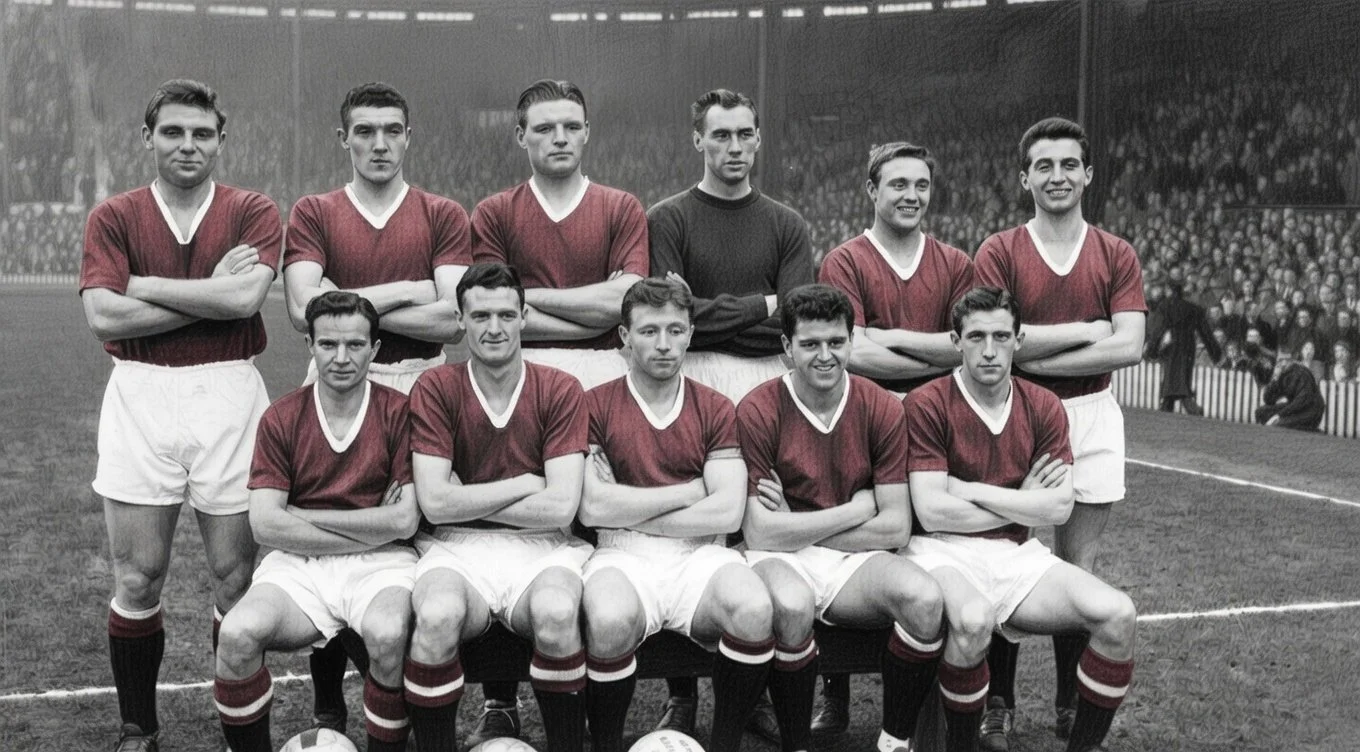
On February 6, 1958, the world of football was plunged into darkness when British European Airways Flight 609 crashed on a snow-slicked runway at Munich-Riem Airport. Carrying Manchester United's vibrant young squad, known as the "Busby Babes," the plane had refueled after a European Cup quarter-final triumph over Red Star Belgrade in Yugoslavia. On its third takeoff attempt, the aircraft failed to gain sufficient speed, hurtling through a fence and into a house. Of the 44 passengers and crew, 23 perished instantly or soon after, including eight players, three club staff, eight journalists, and others. This tragedy, forever etched as the Munich air disaster, not only decimated one of England's most promising teams but also left an indelible scar on global sports culture, symbolizing lost potential and resilient rebirth.
The Busby Babes, under manager Matt Busby, were a beacon of post-war optimism. Averaging just 22 years old, stars like Duncan Edwards (21), Tommy Taylor (26), and Eddie Colman (21) embodied flair and fearlessness, having won back-to-back league titles in 1956 and 1957. Their European campaign marked United as pioneers, the first English club to compete in the European Cup despite Football League opposition. The crash claimed these talents, leaving survivors like Bobby Charlton (20) and Busby himself (gravely injured, given last rites twice) to grapple with survivor's guilt. Busby, recovering for months, rebuilt the team with youth and signings, leading to the 1963 FA Cup and the emotional 1968 European Cup victory at Wembley—ten years to the day after Munich.
The disaster's cultural impact was profound, resonating in an era of Cold War tensions and Britain's rebuilding from WWII. It transcended sport, becoming a national mourning event akin to a royal tragedy. Headlines screamed shock; Queen Elizabeth sent condolences. In Manchester, a working-class city, it united communities in grief, fostering a "never forget" ethos that strengthened club loyalty. Folk songs like "The Flowers of Manchester," penned anonymously and popularized by The Spinners, immortalized the Babes as "the flowers of English football," evoking eternal youth and loss. Literature and films followed: David Peace's 2024 novel "Munichs" explores the crash's haunting aftermath, while documentaries like "The Busby Babes: End of a Dream" capture the era's innocence shattered.
Geopolitically, it highlighted aviation risks in the jet age, prompting safety inquiries into slush on runways. Culturally, it mirrored other 1950s tragedies like the 1959 Day the Music Died plane crash killing Buddy Holly, symbolizing youthful promise cut short. In football, it spurred sympathy across rivals: Liverpool fans raised funds, and Real Madrid offered loans. This solidarity influenced the sport's global ethos, emphasizing unity over competition.
A modern equivalent might be the 2016 Chapecoense disaster, where a Brazilian club's plane crashed en route to the Copa Sudamericana final, killing 71 including most players—evoking similar global outpouring and rebuilding narratives. Imagine if Manchester City's star-studded squad, featuring Erling Haaland and Kevin De Bruyne, perished today amid Premier League dominance; social media would amplify grief exponentially, with hashtags like #CityForever trending, celebrity tributes from Taylor Swift to world leaders, and debates on player welfare in packed schedules. The financial hit—lost revenue, insurance battles—would dwarf 1958's, potentially reshaping league structures amid ongoing globalization.
Today, Munich's memory burns bright. Annual services at Old Trafford draw thousands, with the Munich Memorial Clock frozen at 3:04 p.m.—crash time—and a plaque listing victims. The 2023 service featured Erik ten Hag laying wreaths, underscoring continuity. Fans chant "We'll Never Die" during matches, a defiant anthem. Documentaries, books, and the Munich Tunnel at the stadium keep the story alive for new generations. In 2018, for the 60th anniversary, BBC specials and a Manchester memorial clock reinforced its place in cultural heritage. Globally, it inspires resilience: Chapecoense's recovery echoes United's, while FIFA's safety protocols owe a debt to Munich's lessons.
The Munich air disaster remains a poignant reminder of fragility amid triumph, its cultural echoes ensuring the Busby Babes' spirit endures.
