Wooo! Ric Flair: The Audacious Blueprint for the Modern Celebrity Athlete
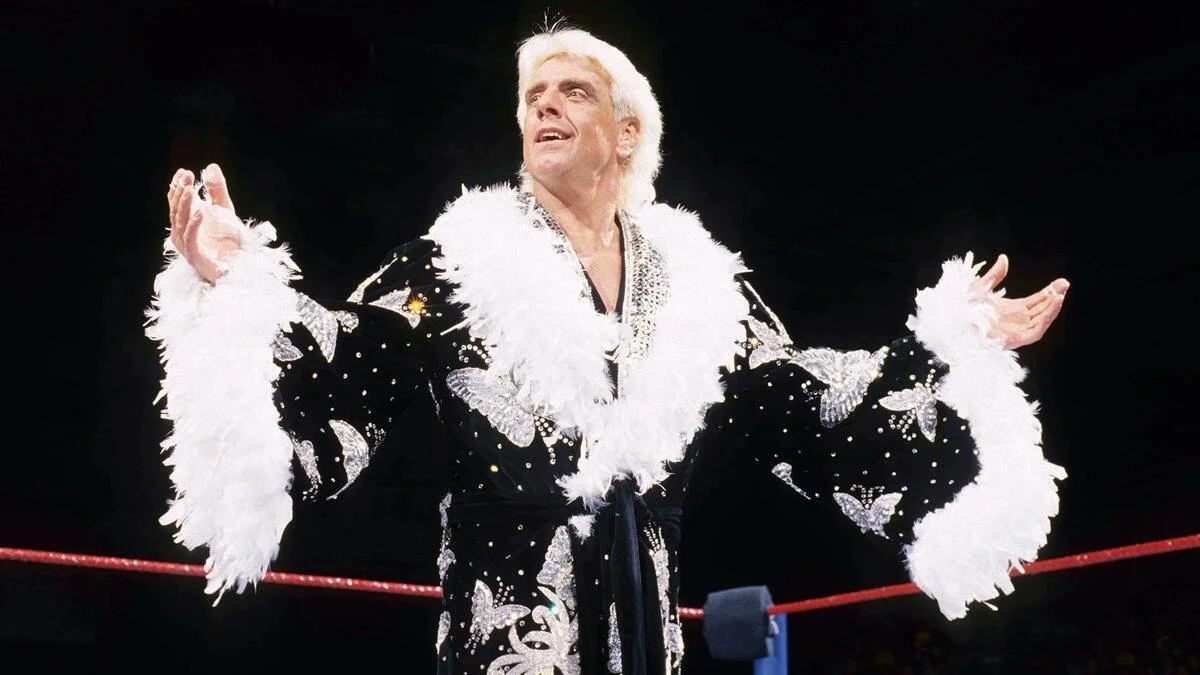
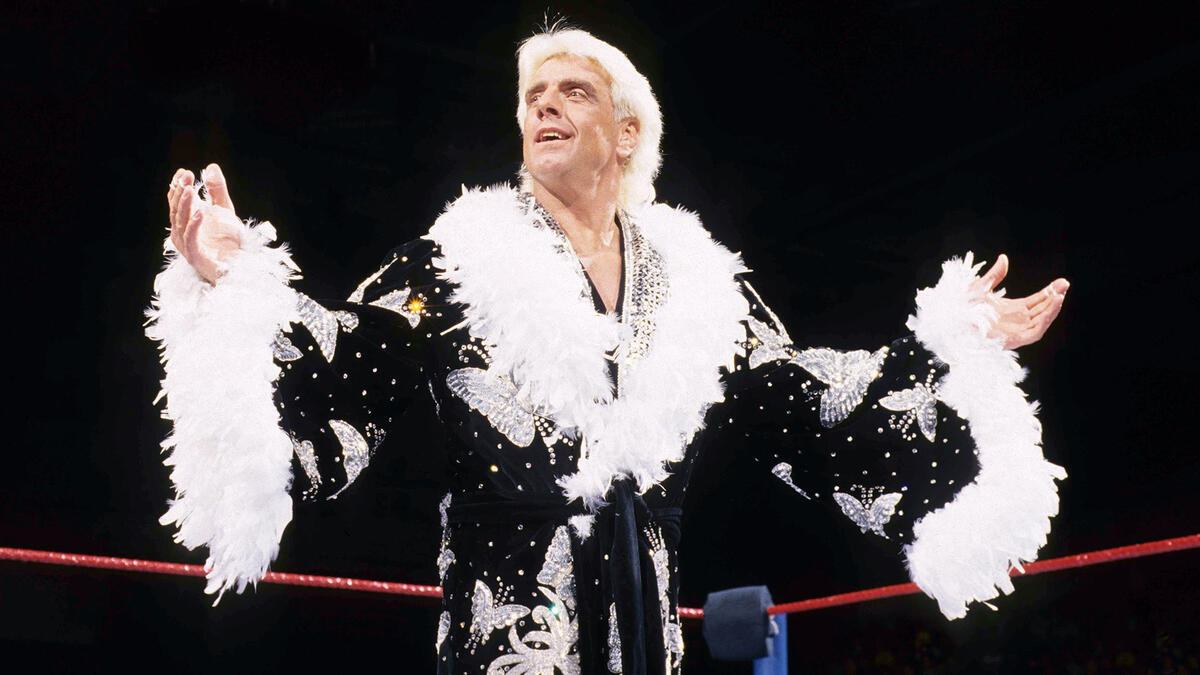
Ric Flair. WWE
In the electrifying crossroads of athletic prowess and showbiz spectacle, where the roar of crowds meets the gleam of gold chains and private jets, Ric Flair emerged as the "Nature Boy," a flamboyant force that redefined what it means to be a sports icon. With his signature "Wooo!" echoing through arenas like a declaration of dominance, Flair's extravagant persona—complete with feather-trimmed robes and unapologetic boasts—laid the groundwork for the modern celebrity athlete. From Conor McGregor's brash trash-talking in the UFC to Damian Lillard's sneaker collaborations in the NBA, Flair's influence permeates promotions, personal branding, and cultural narratives. His career, spanning the excess of Reagan-era America amid Cold War tensions, transformed sports from mere competition into a global entertainment empire, blending geopolitics, history, and pop culture into a blueprint for fame, fortune, and flair.
Ric Flair's rise was a testament to resilience and reinvention, turning a Midwestern kid into wrestling's ultimate showman. Born Richard Morgan Fliehr on February 25, 1949, in Memphis, Tennessee, Flair was adopted and raised in Edina, Minnesota, where he excelled in amateur wrestling and football. Dropping out of the University of Minnesota, he pursued pro wrestling, training under Verne Gagne and debuting in 1972 for the American Wrestling Association. A devastating 1975 plane crash that broke his back in three places nearly ended his dreams, but Flair returned stronger, adopting the "Nature Boy" gimmick inspired by Buddy Rogers. By the late 1970s, in the National Wrestling Alliance (NWA), Flair's charisma exploded: bleach-blond hair, custom robes worth thousands, and promos that oozed confidence. He won his first NWA World Heavyweight Championship in 1981 against Harley Race, kicking off a legendary run with eight NWA/WCW titles.
Flair's in-ring mastery was unmatched, but it was his psychological storytelling that set him apart. As a heel—a villainous character—he cheated shamelessly, distracted referees, and used low blows, all while positioning himself as "the Man" with the iconic line: "To be the Man, you gotta beat the Man." His feuds with babyfaces like Dusty Rhodes, the everyman American Dream, and Ricky Steamboat, the honorable technician, were epic sagas of good versus evil. In 1985, Flair formed the Four Horsemen with Arn Anderson, Ole Anderson, and Tully Blanchard—a stable that embodied elite arrogance, complete with limousines and diamond rings. This group not only dominated NWA but also pioneered the concept of factions in sports entertainment, influencing team dynamics in promotions worldwide. Flair's style thrived in the 1980s, a decade of economic boom and cultural excess, where his boasts of "limousine-ridin', jet-flyin'" mirrored Wall Street's greed and Hollywood's glamour amid the Cold War's ideological clashes.
By the 1990s, Flair's blueprint extended beyond wrestling. Jumping to the World Wrestling Federation (WWF, now WWE) in 1991, he won two world titles and clashed with Hulk Hogan, bridging territorial rivalries. Recognized as a 16-time world champion by WWE (including WCW and TNA stints), Flair's career lasted over 40 years, with retirements in 2008 and 2022. Inducted into the WWE Hall of Fame twice—solo in 2008 and with the Horsemen in 2012—Flair transcended the ring through endorsements, appearances in films like The Wrestler, and TV shows. His "drip"—flashy fashion and jewelry—inspired hip-hop culture, with rappers like Offset, Pusha T, and 21 Savage referencing him in lyrics, aspiring to his lifestyle of luxury and excess. This cultural crossover highlighted Flair's role in merging sports with entertainment, a shift amplified by cable TV's globalization during the post-Cold War era.
Flair's influence as a blueprint for celebrity athletes lies in his mastery of hype, villainy, and personal branding. He pioneered the "bad boy" archetype: a shit-talking antagonist who drew crowds by boasting about wealth and women, creating narratives that prioritized the journey over the outcome. This approach shifted sports promotions toward revenue-generating drama, where villains like Flair packed arenas as fans paid to see them humbled. In wrestling, it birthed the Attitude Era's edgier content, but its ripples reached broader sports. Flair understood that great competition was about twists—red herrings, alliances, betrayals—keeping audiences hooked, a tactic now standard in UFC press conferences and NBA rivalries.
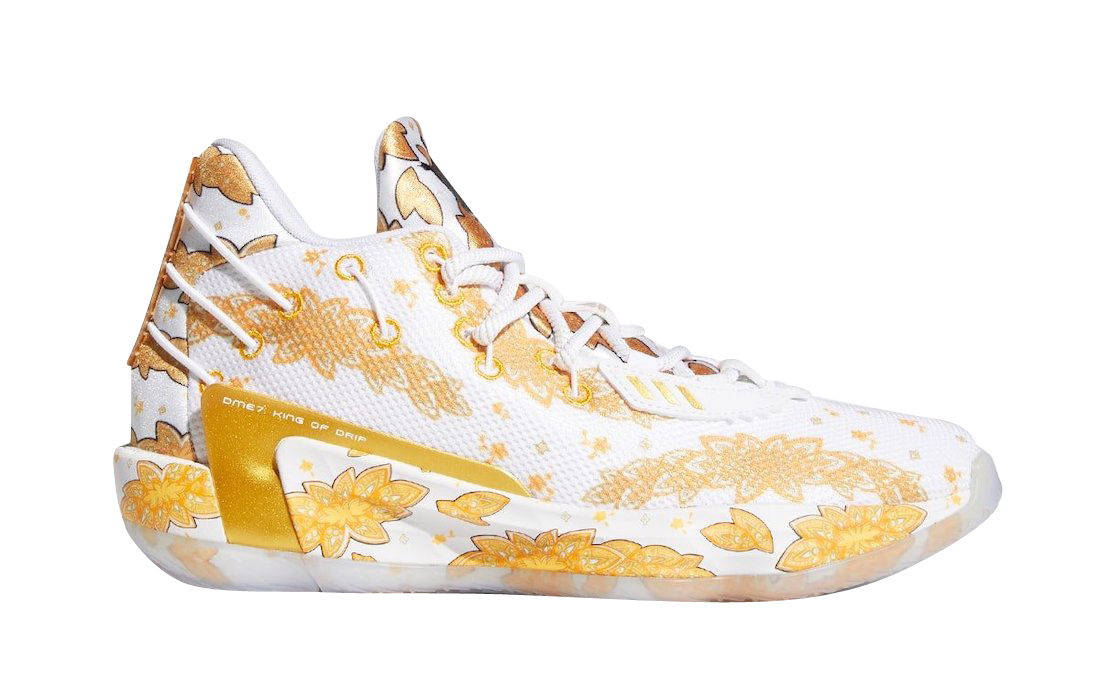
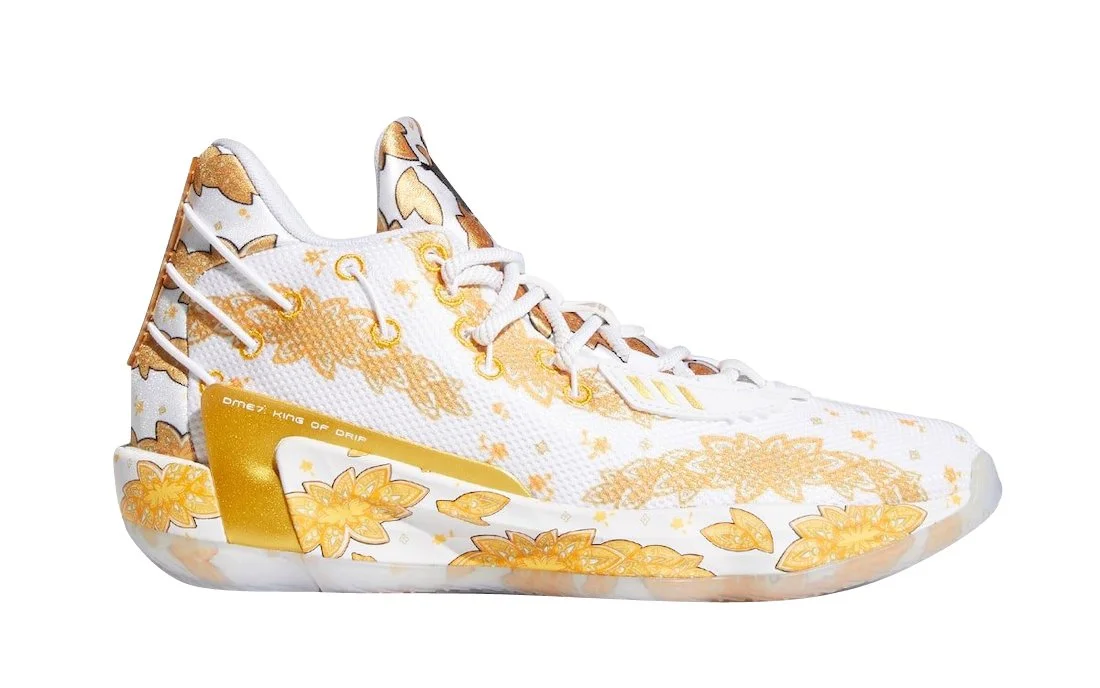
Examples abound of athletes embodying Flair's blueprint. In MMA, Conor McGregor's mind games and luxury boasts—custom suits, yachts—echo Flair's promos, turning fights into spectacles that gross millions. Similarly, Floyd Mayweather's "Money" persona, with cash-flinging antics and entourage, mirrors the Four Horsemen's elite vibe, hyping bouts like his 2017 McGregor clash into cultural events. In the NBA, Damian Lillard collaborated with Flair on the Adidas Dame 7 sneaker in 2020, blending wrestling flair with basketball drip, symbolizing how athletes leverage crossovers for branding. Even in soccer, Sergio Ramos' outlandish antics and leadership recall Flair's cheating heel tactics. MMA's Chael Sonnen, known for sharp-tongued promos, credits wrestling influences like Flair for elevating trash-talk to an art form.
Beyond individuals, Flair's legacy shaped promotions and cultural shifts. His emphasis on storytelling influenced UFC's reality-TV style buildups and WWE's global expansion, turning athletes into multimedia stars. In hip-hop, Flair's "drip" became a metaphor for success, with artists sampling his "Wooo!" and emulating his swagger amid 1990s commercialism. Geopolitically, Flair's American excess during the Cold War contrasted Soviet austerity, symbolizing capitalist triumph; post-9/11, his model adapted to influencer culture, where athletes like LeBron James build empires through media and endorsements. Flair's ventures—a failed gym chain, energy drinks—paved the way for modern athletes' businesses, like McGregor's whiskey or Lillard's music label.
Yet, Flair's blueprint comes with caveats. His excesses led to personal struggles: multiple bankruptcies, health issues from a lifetime of bumps, and family tragedies. This mirrors modern celebrity athletes' pitfalls—legal woes, burnout—in a social media era amplifying scrutiny. Historically, Flair's era intersected with wrestling's territorial wars, paralleling globalization's mergers, like WWE's 2001 WCW purchase. Culturally, he bridged generations, from 1980s excess to today's inclusivity debates.
Ric Flair didn't just wrestle; he architected the celebrity athlete, turning sports into a canvas for audacious personas. As promotions evolve with AI and virtual events, his "Wooo!" reminds us: In the arena of fame, style and story conquer all.