
My Body, My Choice: The Enhanced Games' Bold Stand on Athlete Autonomy and Superhuman Feats
In a world where traditional sports cling to the ideal of "pure" competition, the Enhanced Games are flipping the script with their provocative slogan: "My Body, My Choice." Set to debut on May 24, 2026, at Resorts World in Las Vegas, this groundbreaking event—founded by Australian entrepreneur Aron D'Souza—embraces performance-enhancing drugs (PEDs) under medical supervision, challenging the International Olympic Committee's anti-doping regime. Backed by heavyweights like Peter Thiel and Donald Trump Jr.'s 1789 Capital, the Games promise to shatter world records while championing bodily sovereignty. By allowing athletes to "enhance" safely with FDA-approved substances, the event justifies its stance as a libertarian push for personal freedom, drawing parallels to reproductive rights and COVID-era autonomy debates. Critics call it reckless, but proponents see it as a scientific evolution, potentially reshaping sports culture amid global shifts toward deregulation and biohacking.
The slogan "My Body, My Choice" isn't mere rhetoric—it's the philosophical core justifying the Games' pro-enhancement policy. D'Souza argues that adults should have informed consent over their bodies, free from "paternalistic" federations like the World Anti-Doping Agency (WADA). Athletes must undergo clinical oversight, with protocols ensuring safety through blood tests and doctor-approved regimens. No illegal drugs like heroin are permitted, focusing instead on steroids, testosterone, and growth hormones that boost performance without the secrecy plaguing traditional sports. This approach levels the playing field, D'Souza claims, acknowledging that doping already occurs covertly. In a post-pandemic era where bodily autonomy debates rage—from vaccine mandates to transgender rights—the Games position enhancement as a human right, echoing progressive mantras while appealing to libertarian investors. Geopolitically, it reflects a U.S.-centric innovation push, hosted in Vegas amid America's biotech boom, contrasting with stricter European regulations.
At the heart of the excitement are the athletes, a growing roster of Olympians, world medalists, and record holders eager to push limits. Leading the charge is Australian swimming legend James Magnussen, a former world champion in the 100m freestyle who retired in 2019. Magnussen aims to break the 50m freestyle record (20.91 seconds) for a $1 million bounty, openly discussing his enhancement journey. Joining him in the pool are British sprint specialist Benjamin Proud, a 2022 world champion in the 50m freestyle; Irish Olympian Shane Ryan; Ukrainian Andrii Govorov; and American Cody Miller, a Rio Olympic gold medalist in the medley relay. Other swimmers include Megan Romano, Marius Kusch, Kristian Gkolomeev, Isabella Arcila, Natalia Fryckowska, Felipe Lima, Max McCusker, and Evgenii Somov, blending experience with ambition.
On the track, American sprint sensation Fred Kerley—Olympic silver medalist in the 100m and 2022 world champion—headlines a star-studded field. He's flanked by French sprinter Mouhamadou Fall, Liberian Emmanuel Matadi, and a slew of international talents like Taylor Anderson, Marvin Bracy (former NFL player and 2022 world silver medalist), Mike Bryan, Clarence Munyai, Reece Prescod, Shockoria Wallace, and Shania Collins. These athletes, many with sub-10-second 100m times, promise explosive races where enhancements could shave precious hundredths off records.
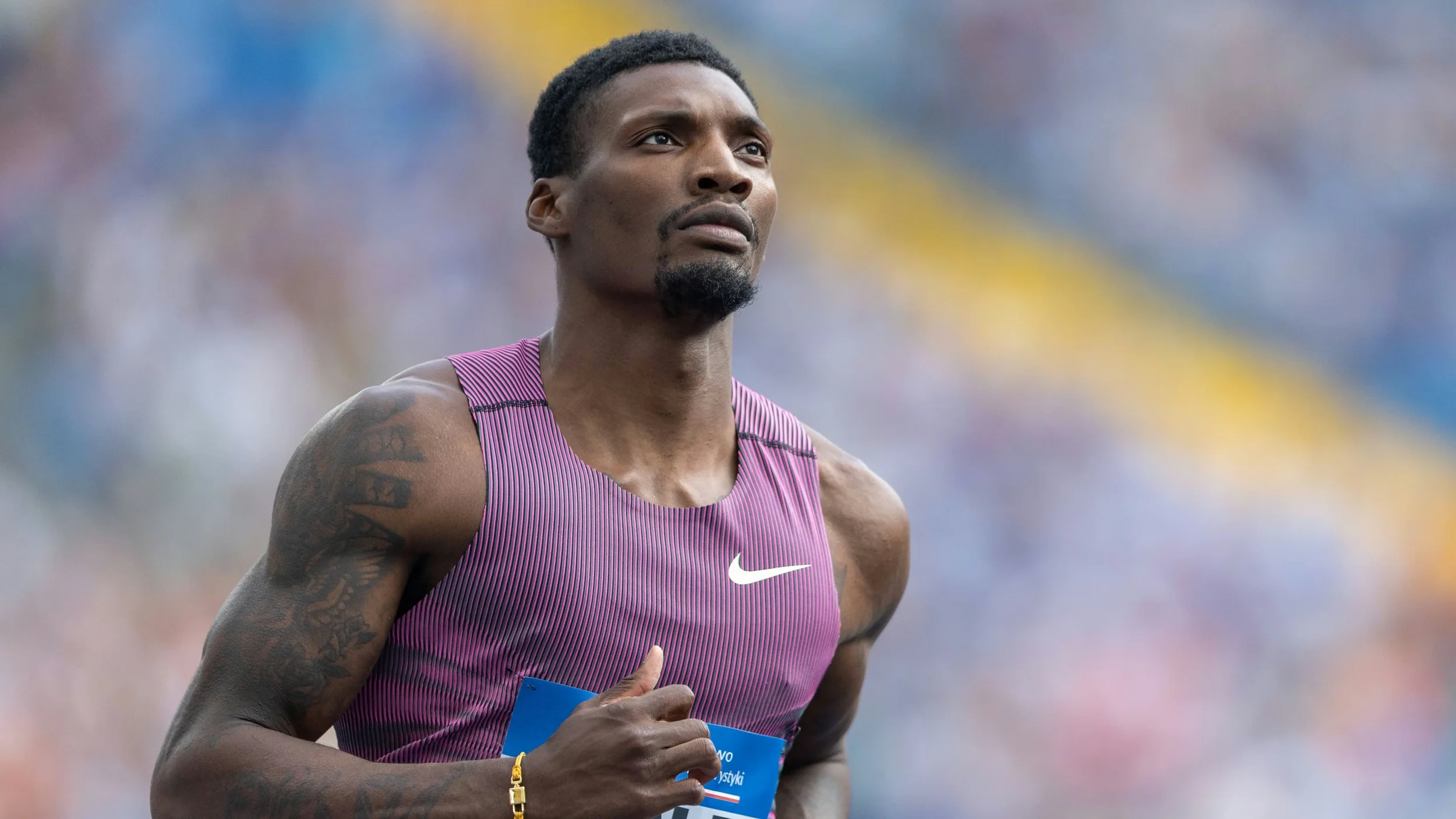
In weightlifting, Canadian Boady Santavy (2022 Commonwealth gold) and American Wesley Kitts (Pan Am champion) lead, alongside Dominican Beatriz Pirón. The events—50/100m freestyle/butterfly swims, 100m sprint/100-110m hurdles, and snatch/clean & jerk—focus on measurable feats, with $500,000 purses per event and million-dollar bonuses for records. Over 50 athletes are confirmed, with more expected, drawn by profit-sharing and the chance to compete transparently.
This roster underscores the Games' appeal: for veterans like Kerley or Magnussen, it's a second act without doping stigma; for others, a lucrative platform amid underpaid Olympic pursuits. Culturally, it intersects with biohacking trends, where Silicon Valley elites chase longevity via enhancements. Geopolitically, hosted in the U.S., it challenges WADA's global authority, potentially fracturing sports unity as nations grapple with doping ethics.
Yet, controversy abounds. Olympic bodies decry it as dangerous, fearing health risks and youth deterrence. Biden's administration expressed "deep concern" in 2024, calling it hypocritical given pro-science stances. D'Souza counters: enhancements, when supervised, are safer than underground doping. The Games aim to fund research, turning athletes into "superhumans" for broader medical advances.
As May 2026 approaches, the Enhanced Games could redefine sports, blending science, freedom, and spectacle. Whether it sparks a revolution or a backlash, one thing's clear: "My Body, My Choice" is igniting a firestorm at the intersection of athletics, ethics, and human potential.
