
Shootout for Equality: The 1999 USWNT Victory That Redefined Women's Sports
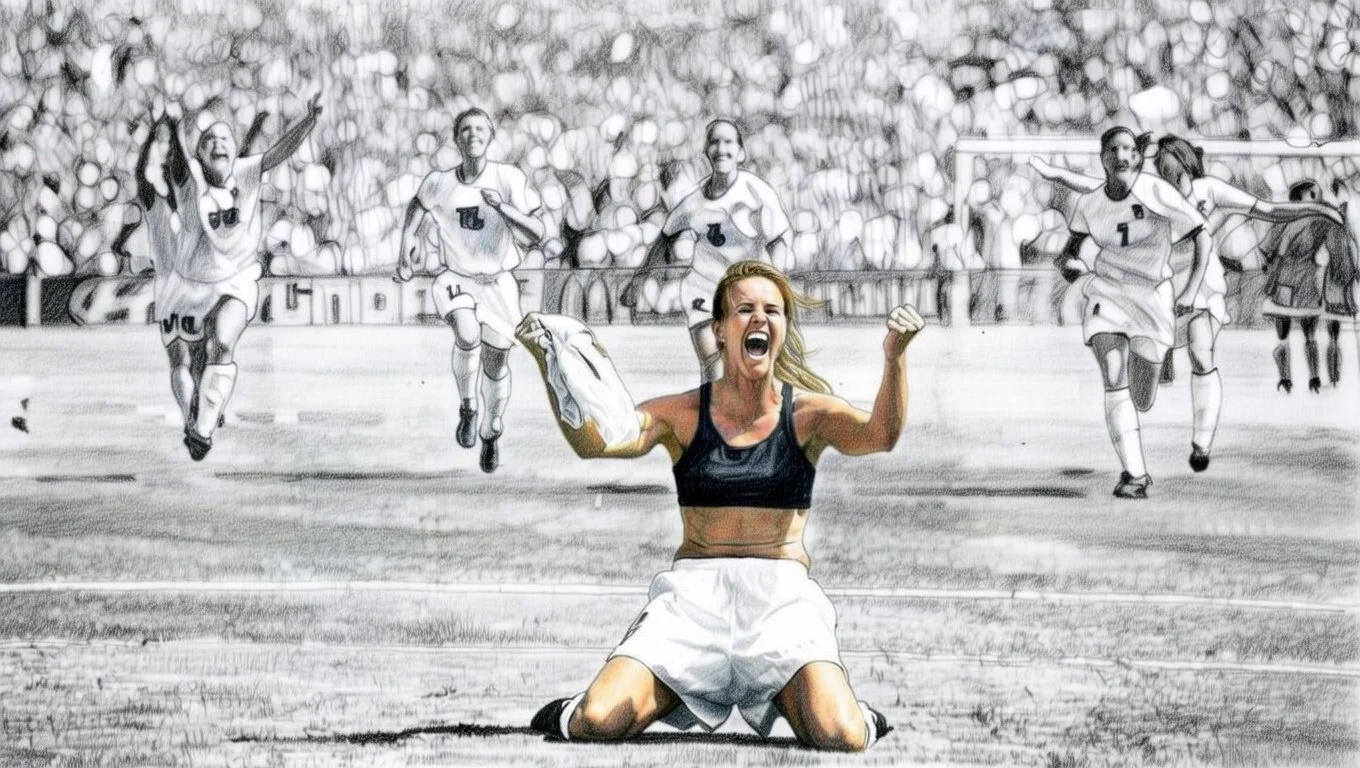
On July 10, 1999, under the sweltering Pasadena sun, the Rose Bowl Stadium pulsed with 90,185 fans—the largest crowd ever for a women's sporting event. As Brandi Chastain's left-footed penalty kick nestled into the net, sealing a 5-4 shootout victory for the United States over China after a scoreless 120 minutes, the stadium erupted. Chastain ripped off her jersey, revealing a black sports bra in a moment of unbridled joy that flashed across global screens. This wasn't just a World Cup win; it was a cultural detonation, accelerating women's soccer from obscurity to phenomenon and reshaping American perspectives on gender, athletics, and equality in the waning days of the 20th century.
The 1999 FIFA Women's World Cup, hosted in the U.S., was a gamble that paid off spectacularly. With stars like Mia Hamm, Julie Foudy, and Kristine Lilly—the "99ers"—the team dominated, outscoring opponents 18-3 en route to the final. The tournament drew over 650,000 total attendees and 40 million U.S. TV viewers for the championship game, rivaling NBA Finals numbers. In a pre-social media era, it captivated a nation amid Clinton-era prosperity and Y2K anxieties, where women's roles were evolving post-Title IX (1972) but still constrained by stereotypes.
Immediate impact was electric. The victory sparked "soccer mania" among girls: youth participation surged 20% in the following year, with registrations jumping from 2.8 million to over 3 million by 2000. Schools and clubs scrambled to add girls' teams, embodying Title IX's promise of equal opportunities. Commercially, it birthed the Women's United Soccer Association (WUSA) in 2001, the first professional women's league, backed by $40 million from cable giants like Time Warner. Though WUSA folded in 2003 due to financial woes, it paved the way for the Women's Professional Soccer (2009-2012) and the enduring National Women's Soccer League (NWSL) in 2013, now boasting 14 teams and record attendance.
Societally, the triumph challenged entrenched gender norms. In 1999, women's sports were often dismissed as secondary—media coverage hovered at 5-10% of total sports airtime. The 99ers' success flipped the script: Chastain's celebration, initially controversial for its "indecency," became a symbol of female empowerment, gracing Sports Illustrated covers and Nike ads. It humanized women athletes as fierce competitors, not just participants, shifting perceptions from fragility to strength. Polls post-tournament showed 70% of Americans viewed women's soccer as equal to men's, up from 50% pre-event. This resonated amid geopolitical contexts: as the U.S. asserted post-Cold War dominance, the team's victory projected soft power, with global viewership topping 1 billion, promoting American values of inclusivity abroad.
The win accelerated broader cultural shifts. It inspired a generation of "soccer moms" and daughters, linking sports to feminism's third wave. Figures like Hamm became household names, endorsing products and advocating for pay equity—foreshadowing the USWNT's 2019 equal pay lawsuit victory. Media discourses evolved: from patronizing coverage to celebratory narratives, though not without setbacks, as some analyses noted lingering sexualization. In education, Title IX compliance soared, with women's college soccer programs doubling by 2010. Economically, it boosted sponsorships: Gatorade and Adidas poured millions into women's endorsements, recognizing a lucrative market.
Long-term, the 1999 victory's legacy endures amid ongoing battles. The USWNT's four World Cups (including 2015 and 2019) trace back to that Rose Bowl magic, but disparities persist: NWSL salaries average $37,000 versus MLS's $410,000. Yet, societal perspectives have transformed: women's sports now command prime-time slots, with events like the 2023 World Cup drawing 1.5 billion viewers. The 99ers' triumph demystified women's athleticism, fostering inclusivity in a diversifying America, where immigrant and minority players like Hamm (adopted) represented the melting pot.
