
Nomo-Mania: How Hideo Nomo Conquered America and Changed Baseball Forever
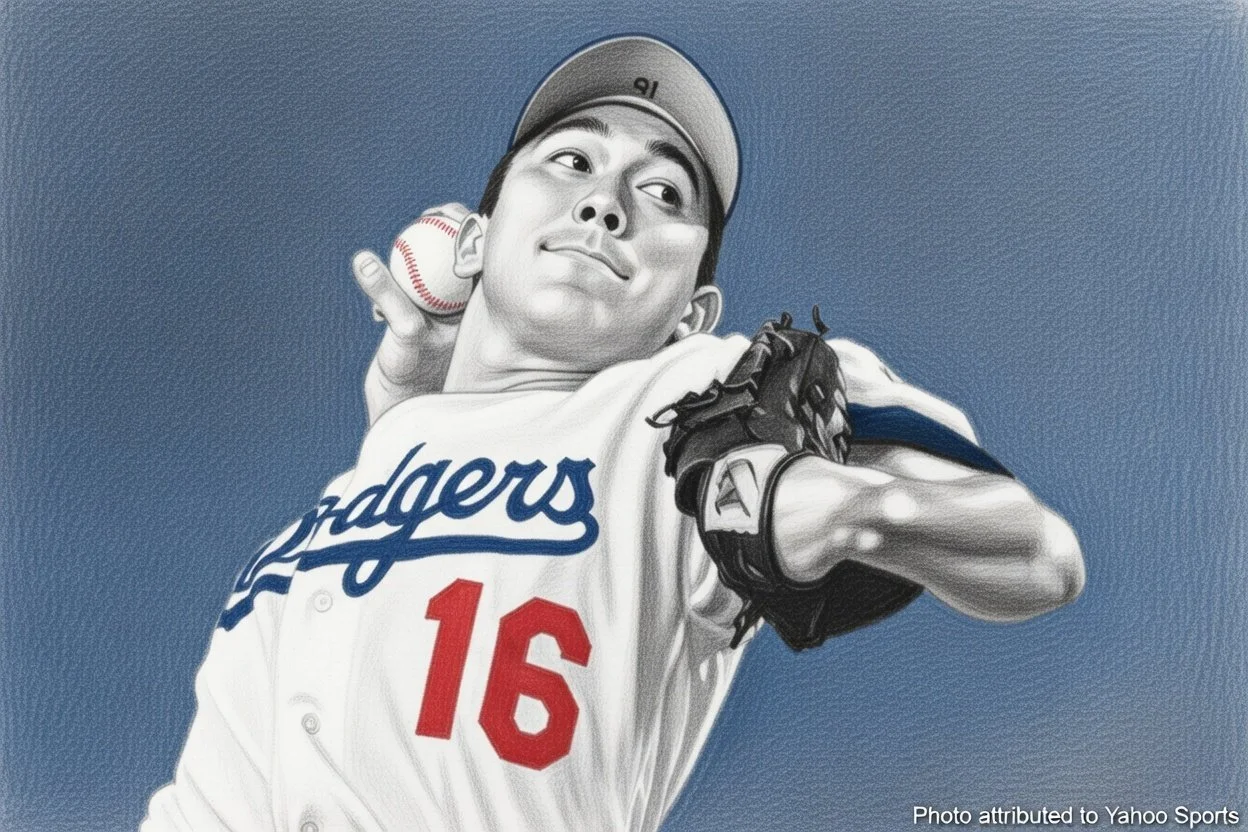
On June 2, 1995, a 26-year-old Japanese right-hander named Hideo Nomo took the mound for the Los Angeles Dodgers against the New York Mets at Dodger Stadium. What happened next was one of the most electric debuts in modern baseball history. Nomo struck out 11 batters in six innings, allowing just two hits. The crowd of 38,000 went wild. The next day, the Los Angeles Times ran the headline: “Nomo-mania Begins.”
Within weeks, it wasn’t just a headline. It was a full-blown cultural phenomenon.
Hideo Nomo didn’t just pitch in Major League Baseball. He invaded it. He arrived as a complete unknown to most American fans and left as one of the most famous athletes in the country. In the process, he opened the floodgates for Japanese players in MLB, changed the way the game was scouted internationally, and created one of the purest “rags-to-riches meets East-meets-West” stories in sports history.
The Making of a Tornado
Hideo Nomo was born in Osaka, Japan, in 1968. From a young age, he was obsessed with baseball. He developed a highly unorthodox pitching motion — a dramatic, twisting windup that looked like a tornado spinning toward the plate. The motion generated incredible torque and deception. Japanese baseball traditionalists hated it. They said it was ugly and would ruin his arm. Nomo didn’t care. He called it his “tornado” and stuck with it.
In 1990, he made his debut with the Kintetsu Buffaloes in Japan’s Pacific League. He quickly became a star, winning the Rookie of the Year and later earning two MVP awards. By 1994, he was the best pitcher in Japan, but he was also deeply frustrated. The Japanese baseball establishment was rigid. Players were expected to stay with one team for life, and the training methods were brutal and outdated. Nomo wanted freedom. He wanted to test himself against the best in the world.
In 1995, he did something almost unheard of: he used a loophole in the Japanese baseball rules to “retire” from the Buffaloes and declare himself a free agent. He then signed with the Los Angeles Dodgers. The move was controversial in Japan. Many called him a traitor. But Nomo didn’t flinch. He was coming to America.
The Birth of Nomo-mania
When Nomo arrived in Los Angeles, the Dodgers were in a rebuilding phase. The city was still recovering from the 1992 riots and the 1994 Northridge earthquake. Baseball needed a hero. They got one in the most unlikely form: a quiet, polite Japanese pitcher with a windup that looked like it belonged in a cartoon.
From the very first start, Nomo was electric. His forkball — a devastating split-finger pitch that dropped like a stone — baffled hitters. Combined with the tornado windup, it created an optical illusion that made the ball nearly impossible to track. Batters were swinging at pitches they never saw. In his first 10 starts, Nomo went 6-1 with a 1.99 ERA and 78 strikeouts.
The media went wild. “Nomo-mania” became the biggest story in baseball. Japanese reporters flooded Dodger Stadium. Fans showed up wearing “Nomo” jerseys and waving Japanese flags. The Dodgers sold out games they would normally draw 25,000 for. Merchandise flew off the shelves. Even non-baseball fans knew who Hideo Nomo was.
On June 14, 1995, Nomo started the All-Star Game for the National League — the first Japanese player ever to do so. He struck out three of the four batters he faced, including future Hall of Famers Ken Griffey Jr. and Edgar Martinez. The ovation he received was deafening.
The Cultural Phenomenon
Nomo-mania wasn’t just about baseball. It was a cultural moment. In 1995, Japan was still seen by many Americans as an economic rival. The “Japan Inc.” narrative of the 1980s had left a sour taste. Nomo flipped the script. Here was a Japanese athlete who was humble, hardworking, and incredibly talented. He became a bridge between two nations that had long viewed each other with suspicion.
In Japan, Nomo became a national hero. His games were broadcast live at 4 a.m. Tokyo time, and millions stayed up to watch. In Los Angeles, he helped heal a city still reeling from division. The large Japanese-American community in Southern California embraced him as one of their own. For the first time, many white and Black fans saw an Asian athlete as a true star, not a novelty.
Nomo’s success also changed the business of baseball. Suddenly, every team started scouting Japan seriously. The Dodgers’ signing of Nomo proved that Asian talent could succeed in the majors. Within a few years, players like Ichiro Suzuki, Hideki Matsui, and later Shohei Ohtani would follow in his footsteps. Nomo was the pioneer.
The Full Career and Lasting Legacy
Nomo pitched 13 seasons in the majors, winning 123 games with a 4.24 ERA. He threw two no-hitters (one in 1996 and another in 2001) and made two All-Star teams. He won the 1995 National League Rookie of the Year award unanimously. His career was up and down — injuries and inconsistency plagued him after his peak years — but the impact was permanent.
What made Nomo special wasn’t just his numbers. It was his courage. He left behind a comfortable life in Japan to chase a dream in a foreign country where few believed he could succeed. He faced language barriers, cultural differences, and constant media scrutiny. And he did it with quiet dignity.
Today, Hideo Nomo is remembered as the man who opened the door. Every Japanese player who has come to the majors since owes him a debt. Shohei Ohtani has repeatedly called Nomo his inspiration. In 2024, when Ohtani signed with the Dodgers, he wore number 17 — the same number Nomo wore during his rookie season.
In 2014, Nomo was inducted into the Japanese Baseball Hall of Fame. He remains one of the most beloved figures in both Japanese and American baseball.
Nomo-mania was never just about one season. It was about breaking barriers, proving doubters wrong, and showing that talent and determination can transcend oceans and cultures. Hideo Nomo didn’t just pitch in the major leagues. He changed them.
