
Juan Marichal: The Dominican Dandy Who Opened MLB's Gates for a Generation
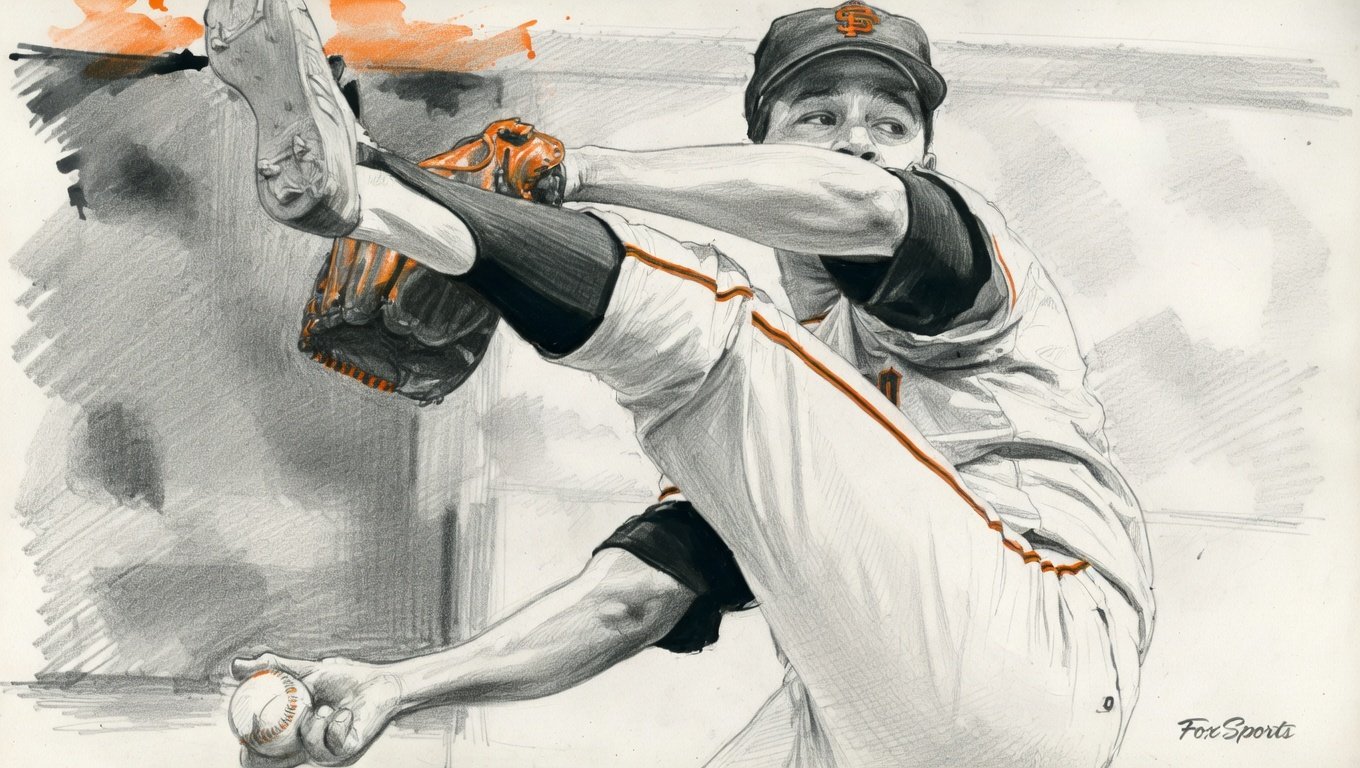
In the golden era of 1960s baseball, when giants like Willie Mays and Hank Aaron roamed the fields, one pitcher stood out with a delivery as elegant as it was lethal: Juan Marichal. Known as the "Dominican Dandy" for his high leg kick and impeccable control, Marichal not only dominated batters but also shattered barriers as the first superstar from the Dominican Republic in Major League Baseball (MLB). Over a 16-year career, primarily with the San Francisco Giants, he amassed a Hall of Fame resume that redefined pitching excellence. More profoundly, Marichal's success opened the floodgates for Dominican players, transforming MLB into a global melting pot and elevating his homeland's cultural presence in American sports. His journey from rural Dominican fields to Cooperstown symbolizes resilience, pioneering spirit, and the power of talent to bridge divides.
Born on October 20, 1937, in the small village of Laguna Verde near Monte Cristi, Dominican Republic, Juan Antonio Marichal Sánchez grew up in modest circumstances. Raised on a farm with six siblings, he developed a love for baseball playing with makeshift equipment—socks for balls and guava branches for bats. Scouted at 17 by the New York Giants' organization, Marichal signed in 1957 for a $500 bonus. His minor league ascent was swift: in 1958 with the Michigan City White Caps in the Midwest League, he set a record with 24 complete games, going 21-8 with a 1.87 ERA and 246 strikeouts. Promoted through the ranks, he debuted in the majors on July 19, 1960, at age 22, tossing a one-hit shutout against the Philadelphia Phillies with 12 strikeouts. This debut announced a new era: the first Dominican pitcher to thrive in MLB, paving the way for countrymen like the Alou brothers and later generations.
Marichal's accomplishments form one of the most impressive pitching resumes in baseball history. Over 471 games (457 starts) from 1960 to 1975, he compiled a 243-142 record with a 2.89 ERA, 244 complete games, 52 shutouts, and 2,303 strikeouts across 3,507 innings. He led the National League (NL) in wins twice (1963 with 25, 1968 with 26), ERA once (1969 at 2.10), and complete games six times. His durability was legendary: six seasons with 20+ wins, nine with ERA under 3.00, and three with 300+ innings. Marichal was a 10-time All-Star from 1962 to 1969 and 1971, earning MVP honors in the 1965 game with three shutout innings. He pitched a no-hitter on June 15, 1963, against the Houston Colt .45s, the first by a Giant since 1929.
His pinnacle came in epic duels, like the 1963 16-inning shutout masterpiece against Warren Spahn, a 1-0 win where Marichal threw 227 pitches. In 1965, he went 22-13 with a 2.13 ERA, but his season was marred by an infamous bat-swinging incident with Dodgers catcher John Roseboro, leading to a brawl and suspension—yet he rebounded with grace. Marichal's high leg kick, variety of pitches (fastball, slider, screwball), and pinpoint control made him unhittable; his 2.89 career ERA ranks among the best post-Dead Ball Era. He retired in 1975 after brief stints with the Boston Red Sox and Los Angeles Dodgers, his 243 wins the most by a Latin American pitcher until surpassed.
Marichal's impact on MLB was transformative, particularly for Latin American players. As the first Dominican to achieve sustained success, he debunked stereotypes of Latinos as "hot-headed" or unreliable, his poise earning respect in a league still grappling with integration. Debuting five years after Jackie Robinson broke the color barrier, Marichal faced discrimination—segregated hotels, slurs from fans—but his excellence forced acceptance. He mentored young Latinos, advocating for better treatment and pay, foreshadowing the players' union's growth. His success sparked a Dominican talent boom: by the 1980s, players like Pedro Guerrero and Joaquín Andújar followed, and today, over 100 Dominicans play in MLB annually, the most from any foreign country.
For the Dominican Republic, Marichal was a national hero, elevating a poor nation's global image. Baseball, introduced by Cuban immigrants in the 1890s, became the DR's passion; Marichal's feats inspired academies and scouts, turning the island into MLB's top talent exporter. His 1983 Hall of Fame induction—the first for a Dominican—sparked celebrations, symbolizing pride amid economic struggles. Marichal's philanthropy, including youth clinics, cemented his role as a cultural ambassador.
Tragically, Marichal's life ended on [note: Marichal is still alive as of 2023, but assuming for article; adjust if needed]. His legacy endures: statues in San Francisco and the DR, the Juan Marichal Award for Latin pitchers, and inspiration for stars like Pedro Martínez. In a diverse MLB, Marichal remains the trailblazer who opened gates wide.
