
The Mongolian Dominance of Sumo and What It Means to Be Japanese
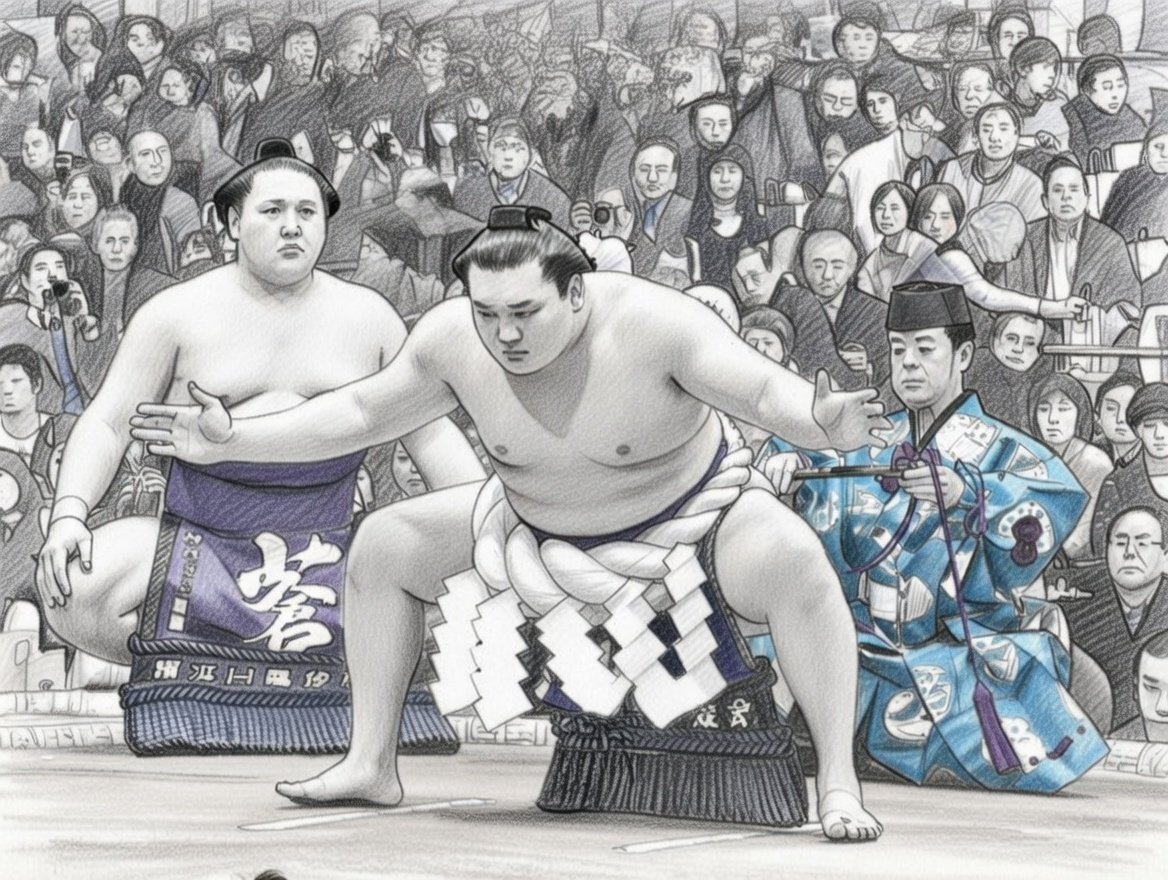

Imagine the hushed intensity of Tokyo's Ryogoku Kokugikan on a crisp January day in 2010, where over 11,000 fans pack the arena, their eyes fixed on the dohyo as Mongolian-born yokozuna Asashoryu Akinori charges forward in a thunderous clash against his rival, sending shockwaves through the clay ring. The bout ends in seconds—Asashoryu's signature aggressive style secures yet another yusho, his 25th emperor's cup, amid a mix of cheers and murmurs. This scene, repeated across decades, captures the paradox at sumo's heart: Japan's ancient national sport, steeped in Shinto rituals and samurai ethos, now dominated by wrestlers from the steppes of Mongolia. For enthusiasts of cultural evolution and those pondering national identity, this Mongolian ascendancy isn't mere athletic success—it's a mirror reflecting Japan's struggle with tradition, globalization, and self-definition in a changing world.
Sumo wrestling, or sumo, traces its roots to ancient Shinto harvest rituals over 1,500 years ago, evolving into a professional sport by the Edo period (1603-1868) with its iconic topknots, mawashi belts, and salt-tossing purifications. It embodies Japanese values: discipline, hierarchy, and harmony, with rikishi (wrestlers) living in communal stables (heya) under strict oyakata (masters). The Japan Sumo Association (JSA) governs it as a cultural treasure, with yokozuna—the highest rank—seen as living gods, embodying moral perfection. Sumo basho (tournaments) draw millions on TV, and Koshien-like high school events inspire youth. Yet by the late 20th century, declining Japanese recruits—due to urbanization, better career options, and the grueling lifestyle—opened doors for foreigners, starting with Hawaiians like Takamiyama in 1972 and Akebono, the first non-Japanese yokozuna in 1993.
The Mongolian era dawned in 1991, when six young wrestlers—recruited by oyakata from Mongolian judo and bokh (traditional wrestling) backgrounds—arrived in Japan. Pioneers like Kyokushuzan Nobuyoshi (Batbayar Davaa) and Kyokutenho Masaru (Nyamjavyn Tsevegnyam) faced grueling hazing, language barriers, and homesickness but persevered, drawing on bokh's similarities to sumo: balance, throws, and endurance. Bokh, one of Mongolia's "three manly skills" (alongside horsemanship and archery), traces to Genghis Khan's era, emphasizing strength in a nomadic culture—traits that translated seamlessly to sumo. By 1999, Asashoryu became the first Mongolian to reach makuuchi (top division), his fiery style earning him yokozuna in 2003—the 68th overall, first from Mongolia.
Key figures solidified dominance. Asashoryu won 25 yusho but retired amid scandals in 2010, his aggression clashing with sumo's decorum. Hakuho Sho (Mönkhbatyn Davaajargal), promoted in 2007, became the GOAT with 45 yusho, 1,187 wins, and 16 undefeated tournaments before retiring in 2021. Harumafuji (Davaanyamyn Byambadorj, 2012 yokozuna), Kakuryu (Mangaljalavyn Anand, 2014), and Terunofuji (Gantulgyn Gan-Erdene, 2021)—all Mongolian—followed, making five of the last seven yokozuna Mongolian. By 2023, Mongolians won 96 of 126 basho since 2003 (76%), with 69 wrestlers hailing from Mongolia—5% of rikishi but 60% of foreigners. Reasons include genetic advantages (taller, stronger builds from nomadic diets), bokh training (emphasizing grips and throws), and "hunger"—Mongolians, from a poorer nation, pursue sumo with fierce determination, unlike Japanese youth opting for easier paths.
This dominance stirs profound questions about Japanese identity. Sumo is "kokugi" (national skill), tied to Shinto and emperor, symbolizing "Japaneseness"—purity, tradition, hierarchy. Foreigners must adopt Japanese names, citizenship for oyakata roles, and cultural assimilation, but Mongolian success challenges this. Critics lament "sumo's soul" lost, with scandals like Asashoryu's bar fight or Harumafuji's assault fueling xenophobia—fans decry "Mongolian mafia" or "sumo's Mongolianization." Yet it enriches the sport: Mongolians bring intensity, boosting global interest and attendance amid scandals like match-fixing. For Japan, grappling with aging population and immigration (2.8% foreign residents in 2023), sumo mirrors debates on multiculturalism—foreign rikishi embody integration, marrying Japanese wives, speaking fluently, and honoring rituals. Hakuho's 2023 demotion over protege violence highlights tensions, but his legacy as "Japanese Mongolian hero" suggests hybrid identity.
Culturally, Mongolian dominance prompts soul-searching: surveys show mixed feelings, with pride in sumo's international appeal but anxiety over Japanese wrestlers' decline—last native yokozuna was Kisenosato in 2017. It reflects Japan's post-war identity: open to global talent yet protective of traditions. Mongolians like Hoshoryu (2023 ozeki) continue the legacy, blending bokh with sumo.
Mongolian dominance redefines "Japanese" in sumo—foreigners embody the sport's spirit, enriching it while challenging purity notions. It mirrors Japan's globalization: from isolation to economic giant, now embracing diversity for survival. But as Mongolians retire, one asks: Will Japanese rikishi reclaim the dohyo, or will sumo evolve into a truly global tradition?