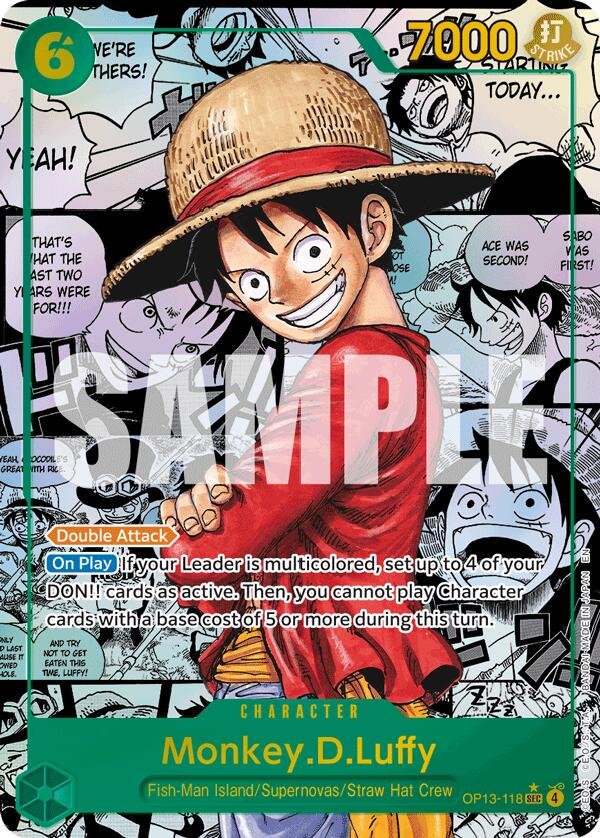
Pirate Cards, Real Revolts: One Piece's Grip on Gen Z Activism
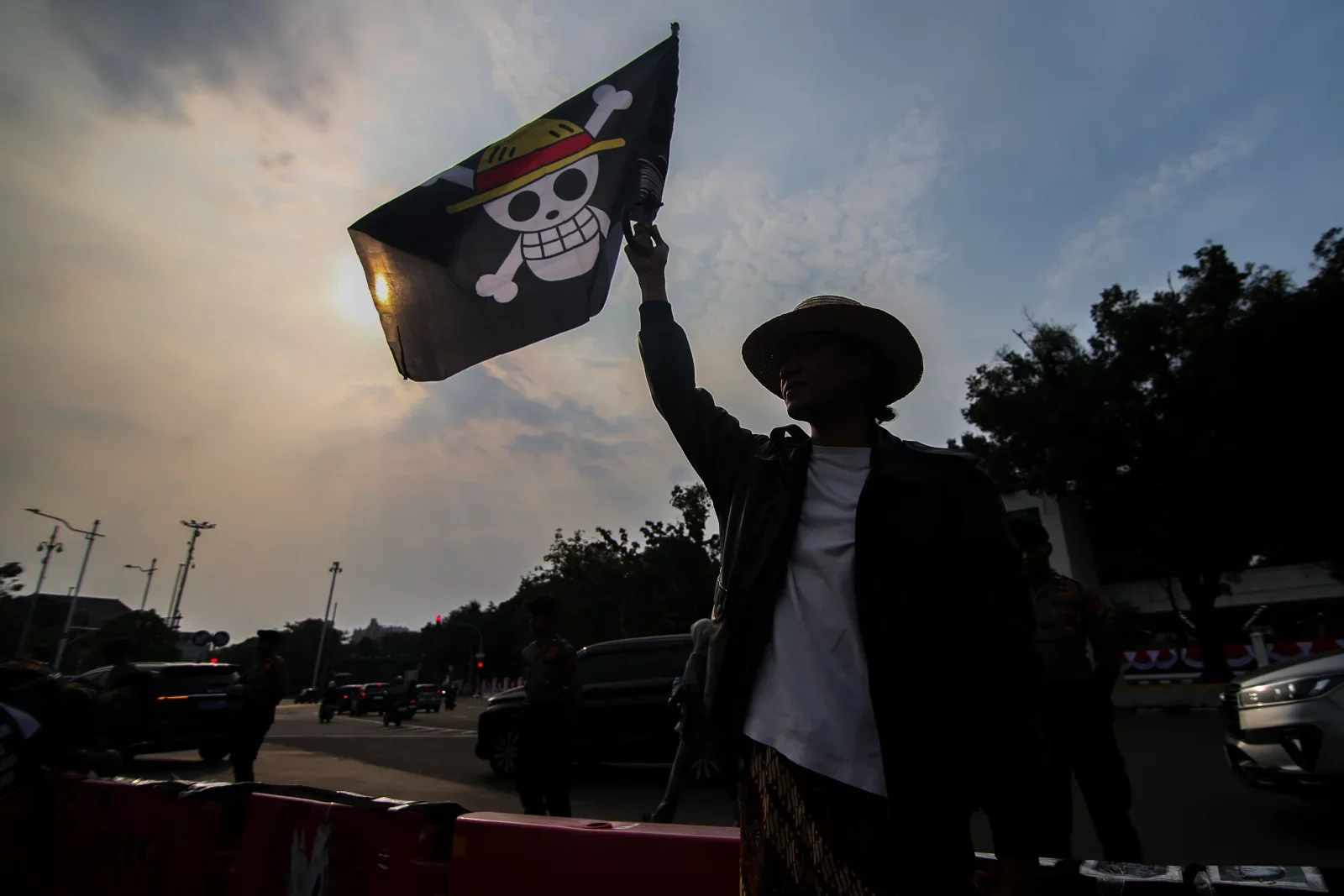
A number of human rights activists carry posters and wave the Straw Hat Pirates' Jolly Roger flag from the anime One Piece during the 873rd Kamisan Action in Jakarta, Indonesia, on August 14, 2025.
Claudio Pramana/NurPhoto via Getty Images
Imagine a Tokyo card shop in 2022, lines out the door for One Piece Card Game boosters, fans chasing rare Luffy cards like treasure. By 2025, that same Straw Hat Jolly Roger waves over protest crowds from Jakarta to Kathmandu, a grinning skull symbolizing Gen Z's fight against corruption and inequality. The One Piece TCG exploded into a collector frenzy while its pirate flag became activism's banner, blending fandom with real-world change.
Bandai launched the One Piece Card Game in July 2022, tapping Eiichiro Oda's franchise with over 520 million manga copies sold. Strategic gameplay around leaders like Luffy or Zoro, plus Oda's artwork, hooked players. Early sets sold out, scalpers profited, and by 2025, it ranked top TCGs globally, with rare cards like Gear 5 Luffy hitting thousands of dollars. Bandai's revenue soared into hundreds of millions, tournaments drew thousands, and the secondary market thrived on chase rarities.
One Piece's themes—Luffy's Straw Hats battling a corrupt World Government for freedom—resonate with Gen Z facing economic hardship, climate crises, and authoritarianism. In 2025, the Jolly Roger emerged as a protest icon: easy to replicate, meme-friendly, and loaded with rebellion meaning.
It spread virally on TikTok and X, starting in Indonesia's Gaza solidarity marches and anti-corruption rallies, then to Nepal's social media ban protests, Philippines' corruption demos, Madagascar's youth uprising, and beyond—including France, Morocco, and Mexico.
Governments reacted as movements gained traction:
Indonesia (August 2025 protests) → Authorities cracked down on the flag, calling it divisive, but it amplified visibility, contributing to policy reviews on inequality and foreign stances.
Nepal (September 2025) → Protests against corruption and censorship lifted a social media ban within weeks, with the flag as the defining image.
Philippines (2025 rallies) → Youth anger over scandals pressured investigations and transparency reforms.
Madagascar (September-October 2025) → Gen Z demands for reform led to government dialogue and concessions on power/water issues.
Other ripples → In Morocco and France, it boosted youth voices, prompting minor policy nods to digital freedoms.
The TCG fueled this: rare "Revolutionary Army" cards spiked in value during peaks, players built protest-themed decks, and shops saw activism tie-ins.
The One Piece TCG's boom—hundreds of millions in sales—mirrors its symbolic power, turning cards into cultural currency for change. Gen Z's adoption shows pop culture's role in mobilization. But as movements evolve, one wonders: Will this pirate spirit sail toward lasting victories?