
From Boylston to Boston Strong: A City's Triumph Over Terror
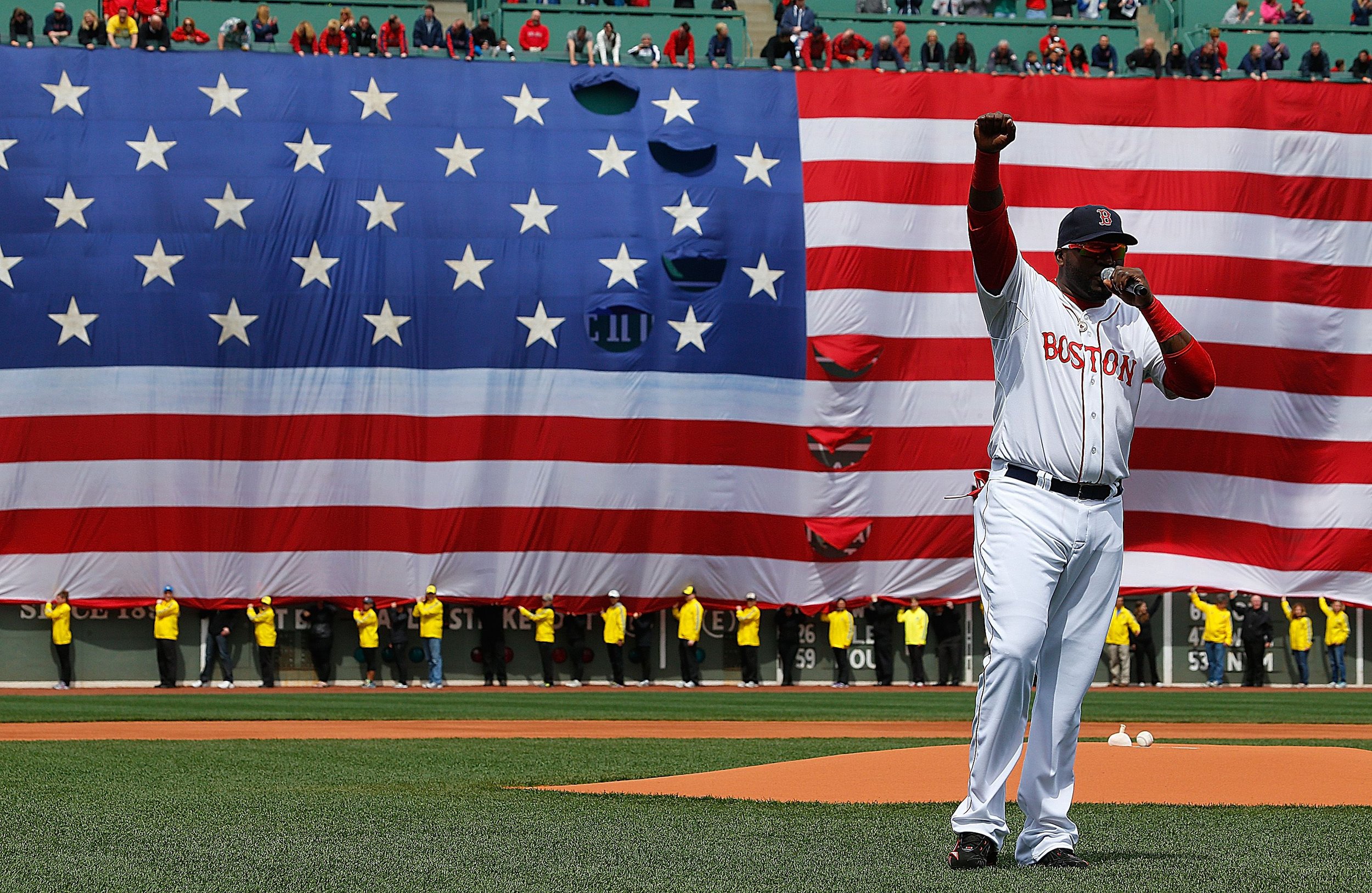
Ortiz of Boston Red Sox tosses F-word, FCC doesn't complain | CNN
Picture the jubilant chaos near Boylston Street on April 15, 2013, where thousands of runners push through the final stretch of the 117th Boston Marathon, their faces etched with exhaustion and triumph amid cheering spectators waving cowbells and signs. The air hums with the rhythm of pounding feet and distant music, a celebration of human endurance on Patriots' Day. Then, at 2:49 p.m., a deafening blast rips through the crowd, followed 13 seconds later by another—shrapnel from pressure-cooker bombs scattering chaos, blood, and debris. Three spectators are killed, including an 8-year-old boy, and over 260 injured, many losing limbs in the carnage. For runners who cherish the marathon's spirit of perseverance and fans who see sports as communal joy, the Boston bombing wasn't just an attack; it was a test of resilience, transforming a race into a rallying cry that proved communities can rebuild stronger, turning "Boston Strong" from slogan to symbol.
The Boston Marathon, founded in 1897 as the world's oldest annual marathon, draws over 30,000 runners and 500,000 spectators yearly, embodying New England's grit and America's love for endurance sports. In 2013, it featured elite athletes like Lelisa Desisa (men's winner) and Rita Jeptoo (women's), alongside everyday participants raising millions for charity. The perpetrators, brothers Tamerlan (26) and Dzhokhar Tsarnaev (19), Chechen immigrants radicalized by Islamist extremism, planted the bombs in backpacks near the finish line. Tamerlan, influenced by jihadist videos, and Dzhokhar, a UMass Dartmouth student, acted alone, motivated by U.S. wars in Iraq and Afghanistan.
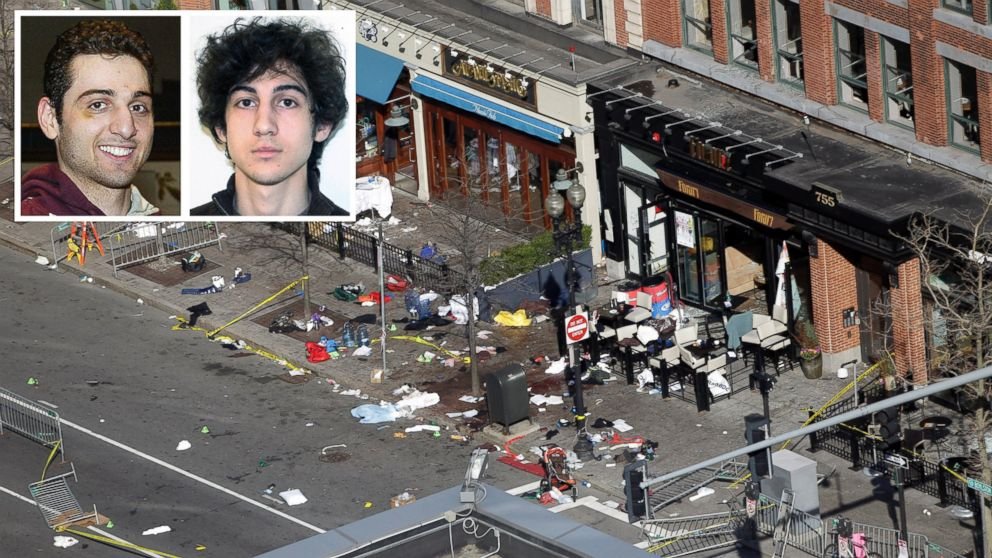
The scene of one of the blast sites near the finish line of the Boston Marathon is seen in this April 16, 2013 file photo, taken one day after bomb blasts killed three and injured over 140 people. Inset, suspects Tamerlan and Dzhokhar Tsarnaev are seen.
Elise Amendola/AP Photo; Inset: Lowell Sun, FBI/AP Photo
The attack's horror unfolded in seconds: the first bomb at 671 Boylston detonated amid families, the second at 755, creating scenes of mangled limbs and heroic first aid by bystanders and runners.
Victims included Martin Richard (8), Krystle Campbell (29), and Lu Lingzi (23, a BU student). The brothers fled, killing MIT officer Sean Collier (26) and carjacking a vehicle. A Watertown shootout left Tamerlan dead (run over by Dzhokhar escaping), sparking a citywide lockdown—schools closed, transit halted, 1 million sheltered—as SWAT hunted Dzhokhar, found hiding in a boat on April 19. Dzhokhar's trial ended in death sentence (later commuted to life), closing a chapter but leaving scars.
The political landscape amplified the shock. Post-9/11 America was vigilant against terrorism, with the Patriot Act and Homeland Security reshaping life, but domestic threats like this—using everyday items—exposed vulnerabilities. President Obama, in his second term, faced a polarized nation amid gun debates post-Sandy Hook and immigration reforms. The bombing, during a holiday honoring Revolutionary War battles, struck at civic pride, evoking 9/11's unity but also fears of homegrown extremism. Boston, a liberal hub with diverse immigrants, grappled with Islamophobia as the manhunt unfolded.
Resilience emerged immediately. "Boston Strong" originated from a BU student's T-shirt design, raising $1 million for victims; it became a mantra, emblazoned on hats, signs, and Fenway chants.
The One Fund Boston collected $80 million, aiding amputees like Jeff Bauman (whose image inspired Stronger). Sports led healing: the Bruins' anthem singer led a stirring "Star-Spangled Banner," Red Sox honored victims at Fenway, with David Ortiz's rally cry—"This is our f***ing city!"—capturing defiance.
The 2014 marathon, with 36,000 runners (up 9,000), embodied comeback: American Meb Keflezighi won—the first U.S. male since 1983—amid massive crowds and "Boston Strong" banners.
The bombing's impact reshaped sports security and community bonds. Marathons worldwide enhanced bag checks, drones, and K-9 units; Boston's now features 3,500 officers and AI cameras. It spurred prosthetics advancements, with victims inspiring adaptive sports. Culturally, it fostered unity in a divided era, with "Boston Strong" enduring in tattoos, memorials, and annual tributes. The 10th anniversary in 2023 drew Obama and survivors, reflecting ongoing healing.
Watch this minute-by-minute reconstruction: Boston Marathon Bombing: Minute by Minute | Full Film. For the comeback spirit, see How Meb Keflezighi's 2014 Boston Marathon win helped the city heal.
The 2013 bombing tested sports' soul, but Boston's response—through unity, charity, and the 2014 race—showed resilience's power, turning tragedy into strength. It proved events like marathons can heal communities, fostering bonds that outlast pain. But as threats persist, one must ask: In an age of division, can sports still unite us when crisis strikes again?
