
Gridiron Diplomacy: The NFL's Playbook for Global Influence
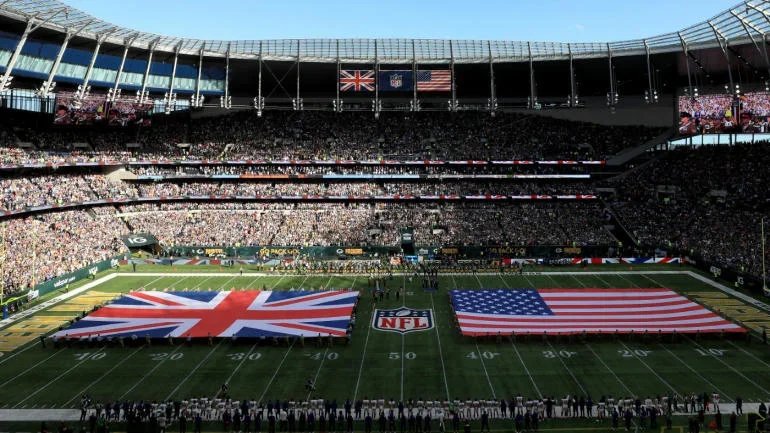
Picture a packed Wembley Stadium in London on a crisp October Sunday in 2007, where 81,000 fans—many decked in jerseys of teams they've never seen play at home—roar as the New York Giants face the Miami Dolphins in the NFL's first regular-season game outside North America. The pageantry is pure Americana: tailgates with burgers and beers, cheerleaders in sequins, and the Star-Spangled Banner blaring over speakers, all transplanted to British soil. This isn't just football; it's a cultural export, a deliberate projection of U.S. entertainment wrapped in spectacle. For enthusiasts who track global business trends and those captivated by how sports shape national images, the NFL's push into London, Mexico City, Germany, and beyond represents a masterclass in soft power—where touchdowns double as diplomatic handshakes, building bridges through commerce and shared excitement.
The NFL's international journey began modestly but accelerated rapidly. Early efforts included preseason exhibitions abroad in the 1950s and '60s, but the real pivot came in 2005 with the American Bowl series ending and the league eyeing revenue beyond U.S. borders. Commissioner Roger Goodell launched the International Series in 2007, starting with that Giants-Dolphins game at Wembley—a sellout that proved demand. By 2016, games moved to Twickenham and later Tottenham Hotspur Stadium, purpose-built with NFL accommodations. Mexico City hosted its first regular-season game in 2005 (Cardinals vs. 49ers at Estadio Azteca), returning in 2016 amid growing Latin American fandom. Germany entered in 2022 with Munich's Allianz Arena, followed by Frankfurt—sellouts drawing 50,000+ passionate crowds chanting for teams like the Chiefs or Patriots.
This expansion is commercial geopolitics in action. The NFL, valued at $18 billion in 2025 with average franchise worth $5.3 billion, sees international markets as untapped gold. Global viewership hit 67 million unique fans in 2024, up 20% yearly, driven by streaming deals like DAZN in Germany and Sky Sports in the UK. Revenue from international games—ticket sales, merchandise, sponsorships—tops $100 million annually per market. The league grants "global market area" rights: Jaguars own the UK, Chiefs and Patriots share Germany, Rams and Broncos Mexico. These require deep partnerships with local governments—stadium upgrades, tax incentives, visa facilitations—turning mayors and ministers into NFL allies. London's Boris Johnson (former mayor) championed games for tourism boosts; Mexico City's officials tout economic injections of $50 million per event.
Culturally, the NFL exports more than football—it packages American lifestyle. Games feature halftime shows with U.S. stars, military flyovers (even abroad), and ads for brands like Budweiser and Nike, embedding U.S. consumerism. Tailgates introduce BBQ and pickup trucks; fantasy leagues and Madden games spread digital fandom. In Germany, where American football clubs date to post-WWII GI leagues, NFL games revived interest, with youth participation up 30% since 2022. Mexico's passion, rooted in 1990s exhibitions, sees Estadio Azteca crowds rival U.S. attendance. The league's "NFL Academy" in London trains international talent, scouting global prospects like Australia's Jordan Mailata (Eagles tackle).
This is soft power at work: influence through attraction. The NFL fosters goodwill where traditional diplomacy might falter. Post-Brexit UK ties strengthened via games; Germany's transatlantic bonds reinforced amid energy crises; Mexico's relations warmed despite border tensions. Events coincide with U.S. embassy activations—youth clinics, cultural exchanges—promoting values like teamwork and opportunity. In Brazil (2024 São Paulo game) and potential Spain/Ireland markets, the NFL eyes emerging economies, exporting media dominance via NFL Network and Game Pass streaming.
Challenges exist: time zones limit U.S. viewership, player unions worry about travel fatigue, and cultural adaptation varies—Europe embraces strategy, Latin America the physicality. Yet success is undeniable: 2025 schedules five international games (three London, two Germany), with talks for Australia and Canada. Revenue projections hit $1 billion internationally by 2030.
The NFL's global playbook shows sports as cultural diplomacy—building markets while projecting American energy. It turns foreign fields into extensions of U.S. fandom, fostering ties through shared thrills. But as leagues like Premier League compete, one wonders: Can the NFL's gridiron gospel continue conquering new territories?
