
Oscar De La Hoya: The Golden Boy Who Shattered Barriers and Redefined the Mexican-American Dream
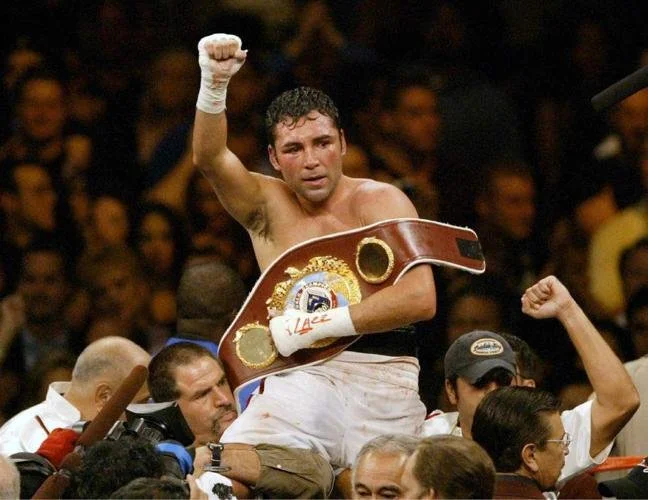
Oscar De La Hoya, known as "The Golden Boy," stands as one of boxing's most transformative figures. Born on February 4, 1973, in East Los Angeles to Mexican immigrant parents, De La Hoya rose from humble beginnings to become a 10-time world champion across six weight classes, an Olympic gold medalist, and a savvy businessman. His journey not only redefined success in the ring but also bridged cultural divides, elevating the visibility of Mexican-Americans in mainstream American society. Through his charisma, entrepreneurial ventures, and unapologetic embrace of his heritage, De La Hoya influenced pop culture, challenged stereotypes, and paved the way for future Latino athletes. This article explores his ascent from the 1992 Olympics, his broader impact on American culture, and how he reshaped perceptions of Mexican-Americans.
De La Hoya's path to stardom began in the gritty neighborhoods of East L.A., where poverty and gang violence were rampant. His father, Joel Sr., worked as a shipping clerk, while his mother, Cecilia, labored as a seamstress. Introduced to boxing at age six by his father and grandfather—both former fighters—De La Hoya found solace and purpose in the sport. He trained relentlessly at the Resurrection Gym, amassing an impressive amateur record of 234 wins and just six losses, with 163 knockouts. Tragedy struck in 1990 when his mother died of breast cancer at age 38. De La Hoya dedicated his career to her memory, vowing to win Olympic gold as she had wished on her deathbed.
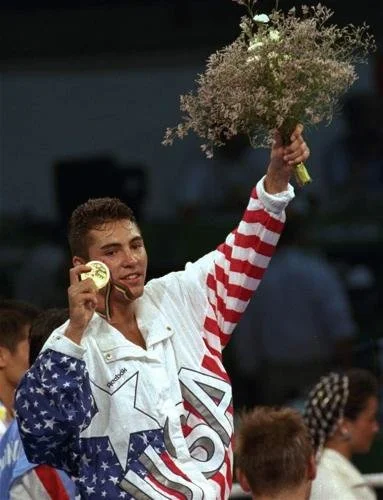
The 1992 Barcelona Olympics marked De La Hoya's breakthrough. Competing in the lightweight division, the 19-year-old faced immense pressure as the sole American boxer expected to medal. He powered through the tournament, defeating opponents like Adilson Silva of Brazil and Namjilyn Bayarsaikhan of Mongolia. In the final, he outpointed Germany's Marco Rudolph 7-2, avenging a prior loss at the 1991 World Championships. As he stood on the podium, tears streaming down his face, De La Hoya clutched his gold medal—a poignant fulfillment of his promise to his mother. The moment captured global attention, earning him the nickname "Golden Boy" from the media for his boyish good looks, marketability, and talent.
This Olympic triumph propelled De La Hoya into professional boxing. Turning pro in November 1992, he signed a lucrative deal and quickly racked up wins, capturing his first world title—the WBO super featherweight belt—in 1994 against Jimmi Bredahl. He moved up weight classes with ease, winning the WBO lightweight title later that year and the IBF lightweight crown in 1995. His flashy style—combining speed, power, and defensive prowess—drew comparisons to Sugar Ray Leonard. By 1996, he claimed the WBC super lightweight title, and in 1997, he unified the welterweight division by defeating legends like Pernell Whitaker and Julio César Chávez.
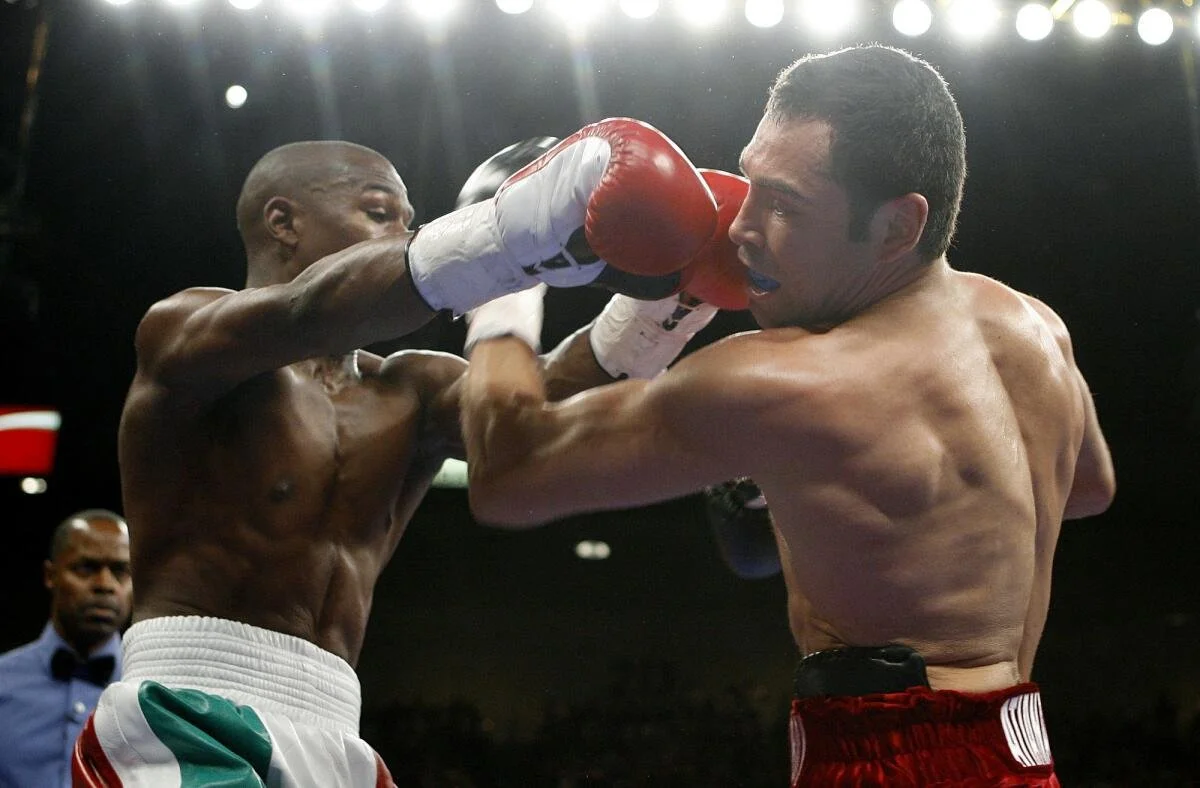
De La Hoya's fights became must-see events, generating massive pay-per-view revenue. His 1999 bout against Félix Trinidad drew 1.4 million buys, and his 2007 clash with Floyd Mayweather Jr. set a record with 2.4 million. Despite losses to elite opponents like Mayweather, Mosley, and Pacquiao, De La Hoya retired in 2009 with a 39-6 record, 30 knockouts, and earnings exceeding $700 million.
Beyond the ring, De La Hoya's influence on American culture was profound. He transcended boxing, becoming a crossover star in an era when Latino athletes were underrepresented in mainstream media. His bilingual appeal and telegenic presence landed him endorsements from brands like Nike and Coca-Cola, and appearances on shows like "The Simpsons" and "Arli$$." In 2000, he released a self-titled Latin pop album that earned a Grammy nomination, blending his athletic fame with entertainment. De La Hoya's entrepreneurial spirit shone through Golden Boy Promotions, founded in 2002 while still active. The company revolutionized boxing promotion, signing stars like Canelo Álvarez and generating billions in revenue. It expanded into MMA, real estate, and media, including a partnership with DAZN for streaming fights.
De La Hoya's philanthropy further cemented his cultural footprint. Through the Oscar De La Hoya Foundation, he built community centers, hospitals, and schools in East L.A., focusing on youth education and health. His openness about personal struggles—addiction, depression, and family issues—humanized him, inspiring discussions on mental health in sports. In popular culture, he influenced films like "Creed" and documentaries, symbolizing the American Dream for immigrants.
Perhaps De La Hoya's most significant legacy is reshaping perceptions of Mexican-Americans. In the 1990s, amid anti-immigrant sentiments like California's Proposition 187, De La Hoya emerged as a positive role model. Proudly waving both American and Mexican flags after his Olympic win, he embodied bicultural identity, stating, "I am proud to be born in the USA, but my Mexican roots are my foundation." This duality challenged stereotypes of Mexican-Americans as outsiders, showcasing them as integral to American success.
His victories over Mexican icons like Chávez initially drew backlash from some Mexican fans, who saw him as "too American," but De La Hoya's embrace of his heritage—speaking Spanish in interviews and promoting Latino fighters—won them over. He highlighted the complexities of identity, noting, "You're not from there, you're not from here. You're in the middle." By succeeding in a sport often associated with machismo and grit, he countered narratives of Latino underachievement, inspiring figures like Canelo and Ryan Garcia.
De La Hoya's influence extended to politics and social issues. He advocated for immigrant rights, critiqued ICE raids, and supported bilingual education, reinforcing that Mexican-Americans contribute economically and culturally. His story paralleled the growing Latino population's rise, from 22 million in 1990 to over 60 million today, amplifying voices in media and business.
In retirement, De La Hoya continues to evolve. He flirted with a 2021 comeback but withdrew due to COVID-19, focusing instead on promotion and ventures like Casa Mexico Tequila. His life, documented in biographies and interviews, reflects resilience amid adversity, including legal battles and personal demons.
Oscar De La Hoya's legacy endures as a trailblazer who turned Olympic gold into cultural gold. By rising from East L.A. to global fame, he not only dominated boxing but also humanized Mexican-Americans, proving that heritage and ambition can coexist in the American narrative. His story inspires, reminding us that true champions fight beyond the ring—for identity, equality, and legacy.

