
Havana's Green Diamond Truce: The Rays and a New Dawn
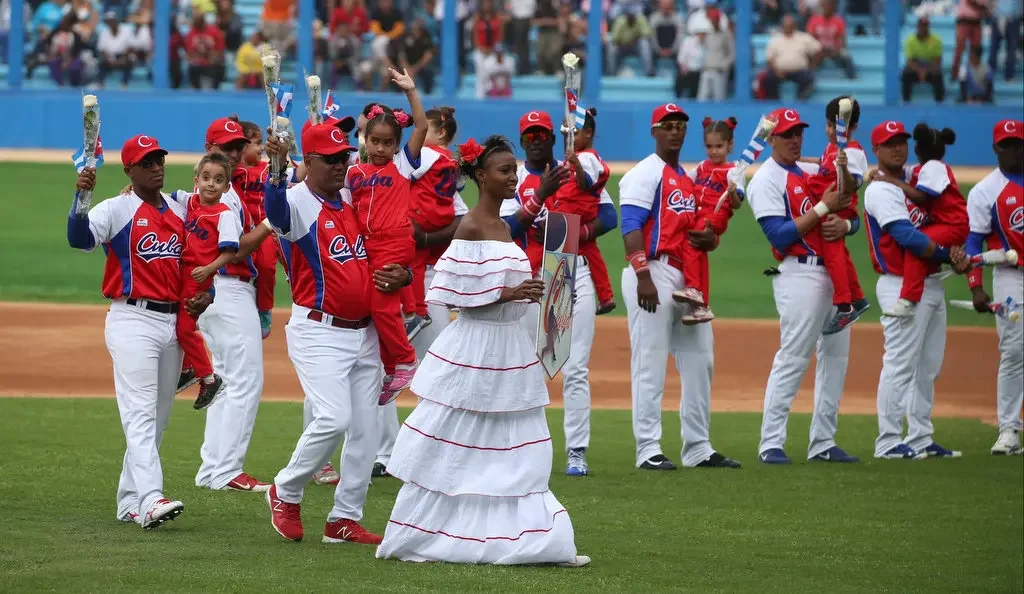
Members of the Cuban national team, which hosted the Tampa Bay Rays on Tuesday at Estadio Latinoamericano in Havana. The stadium, which has a capacity of about 55,000, was filled.Credit...Stephen Crowley/The New York Times
They called it a simple exhibition game, a friendly contest beneath the blazing Havana sun, but to understand the true weight of that sun-drenched afternoon on March 22, 2016, when the Tampa Bay Rays took the hallowed, if a bit faded, grounds of Estadio Latinoamericano, one must first understand the chilling decades that preceded it. This wasn't merely a contest of bat and ball; it was a dialogue of diplomacy, a testament to tenacity, and a grand, hopeful gesture on the green diamond of a nation long shrouded in shadow and misunderstanding.
But to understand the man behind the momentous visit, and the journey of two nations, you must look back, way back, to a time when the world held its breath on the precipice of nuclear annihilation, when the very word "Cuba" whispered of revolution and rockets, a thorn in the side of Uncle Sam, a darling of the Iron Curtain. For nearly sixty years, a cold, unyielding wall had stood between the United States and this vibrant island nation, a barrier built of ideology, embargoes, and the tragic consequences of a geopolitical chess match played with human lives. The Cuban Revolution, Fidel Castro’s fiery ascent, the Bay of Pigs, and then, the terrifying Cuban Missile Crisis – these were not just headlines; they were scars on the national psyche, etched deep into the collective memory of a generation.
For decades, the glamour of American baseball, America's true pastime, had been a poignant whisper across the ninety miles of shark-infested waters, a dream for legion of young Cuban boys who, with homemade bats and balls, mimicked the heroes they could only hear about on distant radio signals or in hushed, rebellious conversations. Cuban talent, raw and electric, had always flowed into the Major Leagues – think of the legend Minnie Miñoso, the powerful Tony Pérez, the artistic Luis Tiant, and later, the blazing Aroldis Chapman, the effervescent José Fernández – but their journeys were often fraught with peril, defections, and the heartbreak of leaving family behind in a land under an economic blockade. Baseball, a shared passion, had paradoxically become a symbol of both connection and agonizing separation, a common language strained by a devastating political lexicon.
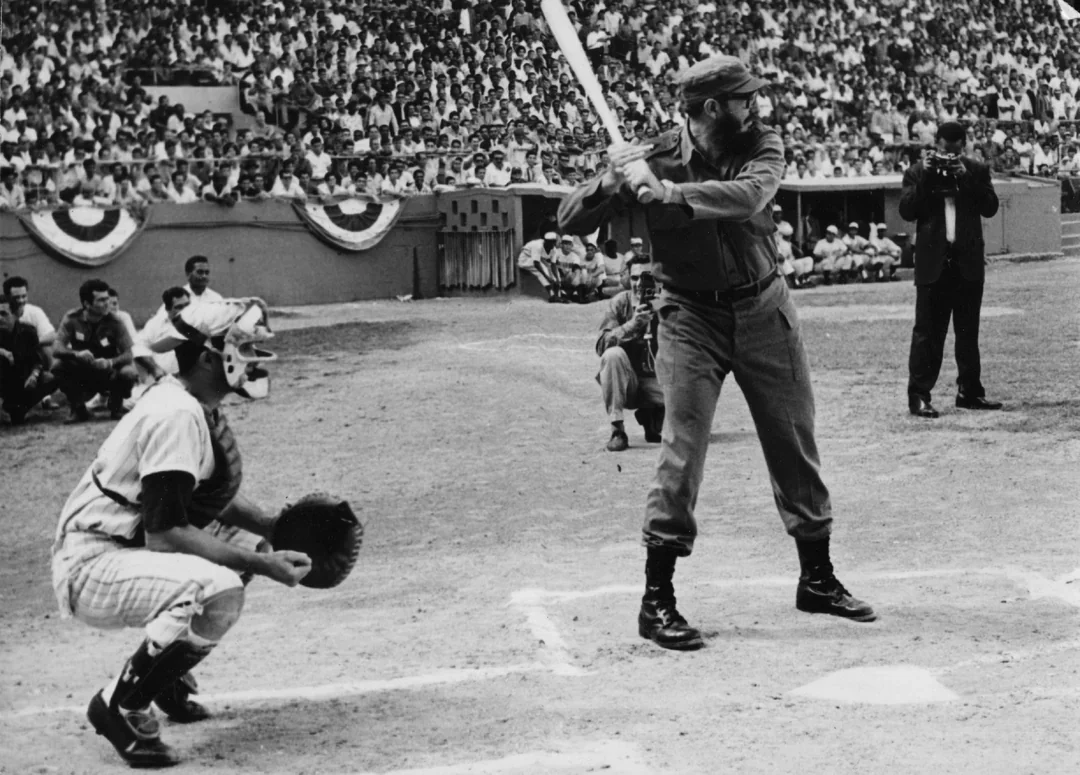
But then, as the sands of the 21st century began to shift, a new chapter began to unfold. President Barack Obama, a man of quiet conviction and audacious vision, dared to imagine a world where bridges could be built where walls once stood. His administration embarked upon a historic thawing of relations, a diplomatic gambit that sought to replace decades of animosity with understanding. The flags, once lowered in protest, began to tentatively rise. The air, once thick with suspicion, now carried the faint scent of hope. And as part of this monumental overture, what better olive branch to extend than the very sport that binds the two nations in a shared, fervent love? Baseball.
The announcement sent shockwaves, a ripple of excitement that transcended political divides. An American Major League Baseball team, the Tampa Bay Rays, would travel to Havana, to play the Cuban National Team. This was more than a mere game; it was a propaganda coup for peace, a vibrant splash of color on a canvas long dominated by muted grays. It was a tangible sign, a handshake delivered not by politicians alone, but by the universal language of the fastball and the home run.
On that historic March day, the stage was set. Estadio Latinoamericano, a venerable concrete coliseum that had witnessed generations of Cuban baseball glory, buzzed with an energy not felt in decades. The stands, filled to overflowing, were a riot of color, a mix of Cuban citizens, American dignitaries, and the curious eyes of the world. And then, the ultimate symbol of this newfound camaraderie: President Obama himself, the first sitting U.S. President to visit Cuba in nearly ninety years, sat alongside Cuban President Raúl Castro in the VIP box, their smiles, however guarded, speaking volumes. For a moment, the world held its breath, witnessing history unfold not on a battlefield, but on a baseball field.
The game itself, a 4-1 victory for the visiting Rays, almost faded into the background, a mere footnote to the grander narrative. What mattered was the spectacle, the shared cheers, the genuine warmth emanating from the stands, the palpable sense of a barrier crumbling, brick by painstaking brick. Players from both sides exchanged pleasantries, signed autographs, and for a few glorious hours, were simply athletes, brothers in sport, their uniforms different but their passion identical. It was a powerful visual, a living, breathing metaphor for rapprochement, a stark contrast to the grim images of missile silos and Cold War paranoia that had defined the relationship for so long.
The trip was a bold stroke, a testament to the belief that even the deepest ideological chasms can be bridged by common humanity and shared pastimes. It proved that sport, with its inherent values of fair play, competition, and respect, could be a potent instrument of diplomacy, a soft power capable of achieving what hard power had failed to do for generations. The legacy of that day lingers, a poignant reminder that while political winds may shift and relations may ebb and flow, the shared love of a game, the simple act of cheering for a home run or a spectacular catch, can transcend borders and build bridges, one glorious inning at a time. It was a moment when the glamour of professional sports met the gritty reality of international relations, and for a brief, shining moment, peace found a champion on the diamond.
Not bad for a game of baseball, indeed, not bad at all. It was a beacon of hope, a powerful declaration that even after decades of ideological warfare, the spirit of connection, much like a perfectly thrown curveball, can always find its way home.
