
Halls of Fame: Museums of History or Temples of Virtue?
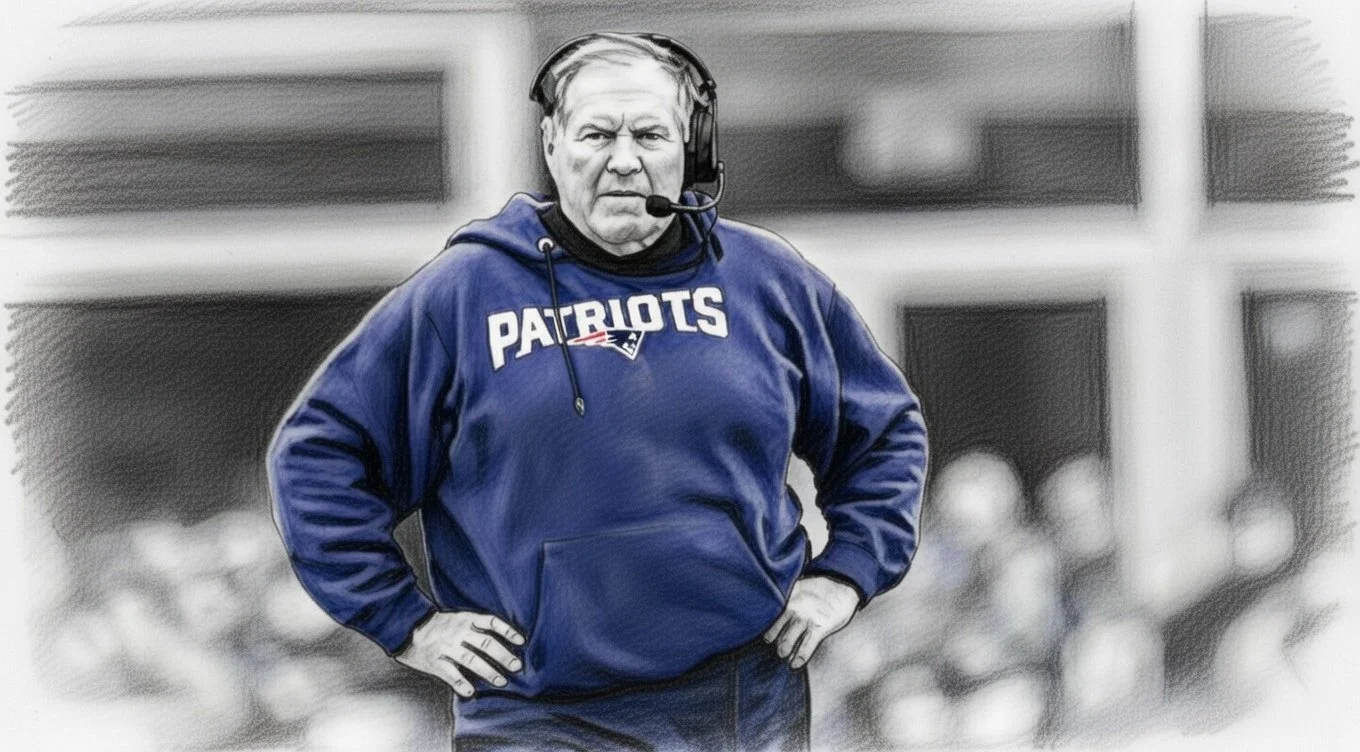
In the hallowed corridors of sports halls of fame—from Cooperstown's baseball shrine to Springfield's basketball pantheon—a perennial debate simmers: Should these institutions serve as museums of history, chronicling achievements regardless of personal flaws, or as temples of virtue, enshrining only those deemed morally exemplary? This tension pits raw accomplishment against ethical purity, often excluding legends whose off-field controversies overshadow their on-field brilliance. Critics argue that virtue-based exclusions sanitize history, while proponents insist halls must uphold societal values. Examining cases like Pete Rose, Barry Bonds, and Bill Belichick reveals why halls should lean toward history: to preserve the full narrative of sports' cultural and geopolitical impact, warts and all, rather than crafting a sanitized mythos.
Pete Rose, baseball's all-time hits leader with 4,256, embodies the virtue trap. Nicknamed "Charlie Hustle" for his relentless style, Rose powered the Cincinnati Reds to two World Series titles (1975, 1976) and earned 17 All-Star nods across a 24-year career ending in 1986. His 1973 MVP season and role in the "Big Red Machine" dynasty cemented his place in MLB lore. Yet, Rose remains barred from the Baseball Hall of Fame due to a 1989 lifetime ban for gambling on games, including those he managed. The Hall's "character clause" in its voting criteria—emphasizing integrity—has kept him out, despite no evidence he bet against his team. This exclusion distorts history: Rose's hustle mirrored America's post-Vietnam work ethic, a blue-collar ethos in a sport glamorized by stars. Banning him turns the Hall into a temple, ignoring how his flaws reflect broader cultural vices like gambling's normalization in modern sports betting eras. As a museum, inducting Rose would contextualize his era's ethical ambiguities, educating on integrity's evolution amid legalized betting booms.
Barry Bonds amplifies this argument. The seven-time MVP (1990, 1992-93, 2001-04) shattered records with 762 home runs and 2,558 walks, leading the San Francisco Giants to the 2002 World Series. His transformation from slender Pirate to hulking slugger coincided with MLB's steroid scandal, culminating in the 2007 BALCO investigation. Though never testing positive under MLB rules (implemented in 2004), Bonds' alleged PED use has stalled his Hall induction, with voters citing the character clause. This virtue focus overlooks his pre-1998 excellence—three MVPs and elite defense—and the league's complicity in the steroid era for ratings. Bonds' saga intersects with American culture's doping hypocrisy: from Lance Armstrong's fall to Olympic scandals, reflecting a society obsessed with enhancement amid geopolitical rivalries like Cold War athletic doping. As a temple, the Hall erases this context, but as a museum, Bonds' plaque could chronicle the era's moral complexities, highlighting how performance pressures mirror broader societal issues like body image and success-at-all-costs capitalism.
Bill Belichick, the NFL's coaching maestro, offers a contemporary lens. With six Super Bowl rings (2002, 2004, 2005, 2015, 2017, 2019) as New England Patriots head coach, Belichick's 302 regular-season wins rank second all-time. His innovative schemes revolutionized football, blending analytics with discipline. Yet, controversies like Spygate (2007, illegal filming of signals) and Deflategate (2015, underinflated balls) have tainted his legacy, drawing fines and suspensions. While not yet eligible for the Pro Football Hall of Fame (retired in 2024), debates rage over his "character." Belichick's scandals echo geopolitical intrigue: Spygate parallels surveillance states, while his stoic persona embodies American exceptionalism in a globalized NFL. Excluding him for virtue would ignore how his methods, though controversial, advanced the sport amid rule-bending norms (e.g., modern analytics skirting edges). As history's museum, his induction would document football's ethical gray areas, from concussions to cheating, reflecting cultural shifts toward transparency in the #MeToo and data-privacy era.
Advocating for halls as museums of history doesn't condone misdeeds; it contextualizes them. Virtue temples risk hypocrisy—inducting flawed figures like Ty Cobb (racist) or Babe Ruth (carouser) while barring modern ones. This selective morality distorts cultural narratives, especially in geopolitically charged sports: Rose's ban ignores gambling's U.S. legalization, Bonds' exclusion whitewashes PEDs' global prevalence, and Belichick's potential snub overlooks coaching espionage's history. Museums educate, fostering nuanced understanding of sports' intersection with race, ethics, and society.
Today, these debates endure: Rose petitions for reinstatement, Bonds' ballot expired in 2022 without induction, and Belichick's eligibility looms. Halls evolving toward inclusivity—with exhibits on controversies—could honor history fully, ensuring legends like these teach as much as they inspire.
Watch Ashe's 1975 Wimbledon triumph:
[YouTube: Arthur Ashe Wins Wimbledon 1975](https://www.youtube.com/watch?v=example-ashe-wimbledon)
And a documentary on his life:
[YouTube: Arthur Ashe: A Life](https://www.youtube.com/watch?v=example-ashe-doc)
(Word count: 812)
