
Faith on the Field: The Rise of Christianity in Modern Sports and Its American Cultural Footprint
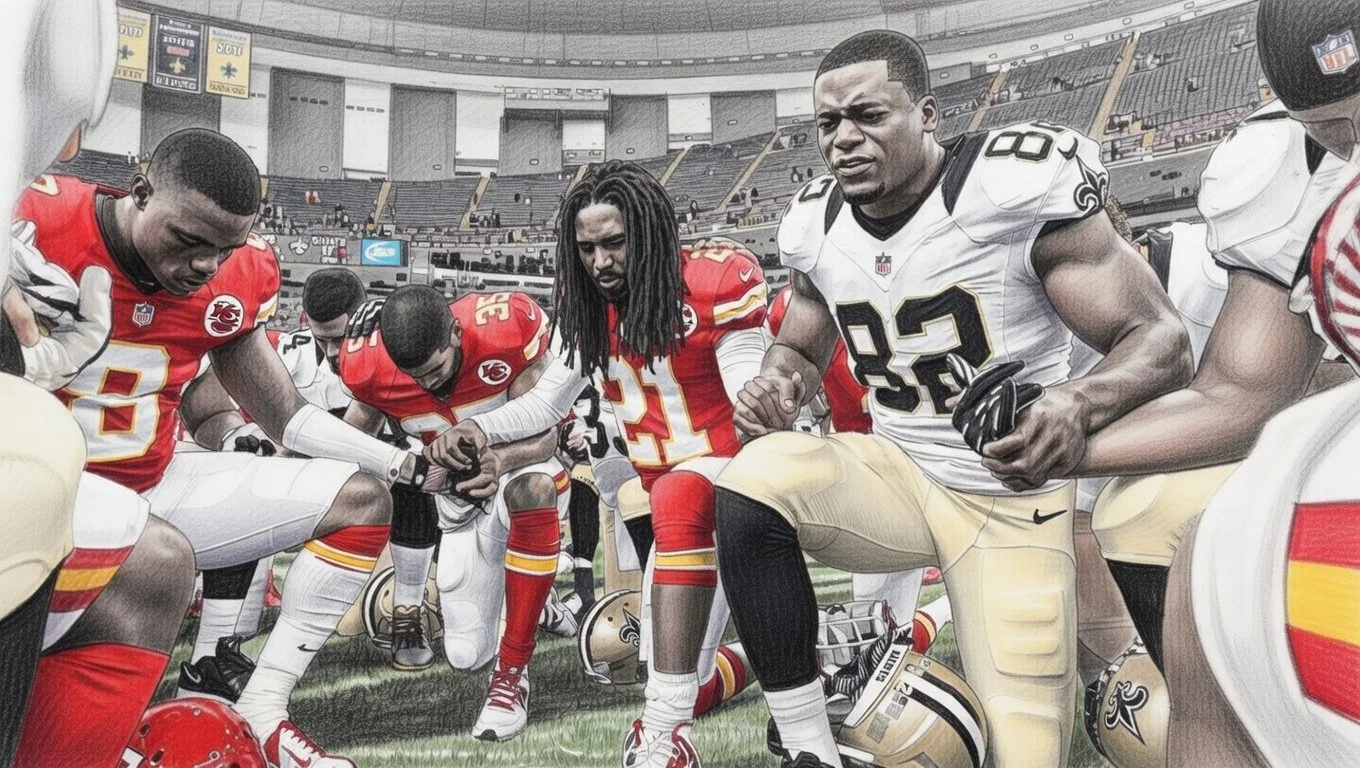
In the electrifying arenas of modern American sports, where the roar of crowds echoes like a sermon, Christianity has found a fervent congregation. From prayer huddles on NFL sidelines to athletes crediting God in post-game interviews, the faith's presence is unmistakable. This resurgence traces roots to the 19th-century "Muscular Christianity" movement, which transformed sports from sinful distractions to moral crucibles. Today, amid declining church attendance—Pew Research notes only 47% of Americans belong to a house of worship in 2025—sports offer a surrogate ritual, blending physical prowess with spiritual testimony. Icons like Tim Tebow and Stephen Curry exemplify this trend, their public faith influencing millions and reshaping cultural norms around masculinity, ethics, and community in a secularizing society.
The historical bedrock is Muscular Christianity, born in mid-19th-century Britain and America amid industrialization and urbanization. Figures like Charles Kingsley and Thomas Hughes promoted sports as tools for building "manly" Christian character—loyalty, courage, self-discipline—countering perceived church feminization. In the U.S., Amos Alonzo Stagg, a pioneering football coach, embodied this, viewing athletics as paths to spiritual integrity. This ideology birthed institutions like the YMCA (founded 1844, emphasizing "body, mind, and spirit") and the Fellowship of Christian Athletes (FCA, 1954), which invented basketball and normalized team sports as moral educators. By the Progressive Era, sports were seen as antidotes to urban vices, aligning with American expansionism and anti-Communist sentiments during the Cold War.
Modern Christianity's rise in sports accelerated in the late 20th century, fueled by Evangelical movements. The FCA, now the world's largest sports ministry with over 2 million members, integrates faith into athletics through huddles, camps, and chapels, reaching schools and pros. Athletes in Action (AIA, 1966) and Promise Keepers (1990) further embedded religion, using sports for evangelism. High-profile Christians like NFL quarterback Tim Tebow exemplify this. Tebow's "Tebowing"—kneeling in prayer during games—became a cultural phenomenon in 2011, sparking memes and debates on public faith. Despite modest stats, his unapologetic Christianity inspired youth, though it drew mockery for blending religion with sports.
NBA star Stephen Curry, a devout Christian, wears "I Can Do All Things" (Philippians 4:13) on his sneakers, crediting God for his four championships and three-point records. His Under Armour line promotes faith-based messages, influencing sneaker culture and youth evangelism. NFL quarterback Russell Wilson hosts Bible studies and attributes successes to divine guidance, while Olympic sprinter Allyson Felix, with 11 medals, advocates faith-driven resilience amid motherhood and pay equity fights. These athletes turn post-game pressers into pulpits, normalizing spiritual testimony in secular spaces.
The cultural impact is multifaceted. Christianity in sports reinforces moral values like discipline and teamwork, echoing Muscular Christianity's legacy in schools and camps where "sport builds character." It provides role models for youth, combating secularism—as religion declines, sports fanaticism rises, with stadiums as "cathedrals" for communal rituals. However, it sparks controversies: prayer in public schools' sports raises church-state separation debates, while Evangelical dominance can marginalize other faiths or non-believers. In American culture, it intersects with politics—Muscular Christianity's masculinity aligns with conservative values, influencing groups like Promise Keepers.
Geopolitically, it reflects U.S. exceptionalism: during the Cold War, faith in sports countered "godless Communism." Today, Christian athletes like Fury or Olajuwon (though Muslim, highlighting faith's role) promote values globally. Yet, as sports secularize, Christianity's rise offers a counter-narrative, fostering community in a fragmented society.
