
War, Oil, and Visas: Global Politics Threatens to Overshadow the 2026 World Cup
When the 2026 FIFA World Cup opens across 16 cities in the United States, Canada, and Mexico, it will be the largest tournament ever staged — 48 teams, 104 matches, and the first tri-nation host. Yet the event is unfolding against a backdrop of acute global tension. Two recent developments — the U.S.-led capture of Venezuelan President Nicolás Maduro in late February 2026 and the ongoing war in Iran — have injected fresh geopolitical volatility into an already complex tournament. What was sold as a celebration of North American unity is now being shaped by sanctions enforcement, refugee flows, oil-market shocks, and the risk of diplomatic boycotts.
The Maduro operation has been the most immediate flashpoint. On February 22, U.S. special forces, acting on intelligence shared with Colombian and Brazilian allies, seized Maduro in a raid near the Colombian border. The Trump administration framed the action as the culmination of long-standing sanctions policy aimed at restoring democratic governance and securing Venezuelan oil assets. Within days, the U.S. Treasury began fast-tracking contracts for American firms to manage Venezuelan petroleum infrastructure, drawing direct comparisons to the way sports franchises hoard draft picks to build dynasties. Venezuelan football officials immediately condemned the move as “imperialist aggression.”
The fallout for the World Cup is concrete. Venezuela’s national team, which had qualified for the expanded 48-team field, now faces an uncertain future. FIFA has so far refused to ban the team outright, but several South American federations have threatened to withdraw support if Venezuelan players are denied entry visas to the United States. Fan travel from Caracas is already crippled by new U.S. visa restrictions and heightened border scrutiny. Organizers in Miami and Houston — cities with large Venezuelan diaspora communities — are bracing for protests that could disrupt match-day logistics. Mexican authorities have quietly warned CONCACAF that any escalation could jeopardize cross-border fan movement between Mexico City and U.S. venues.
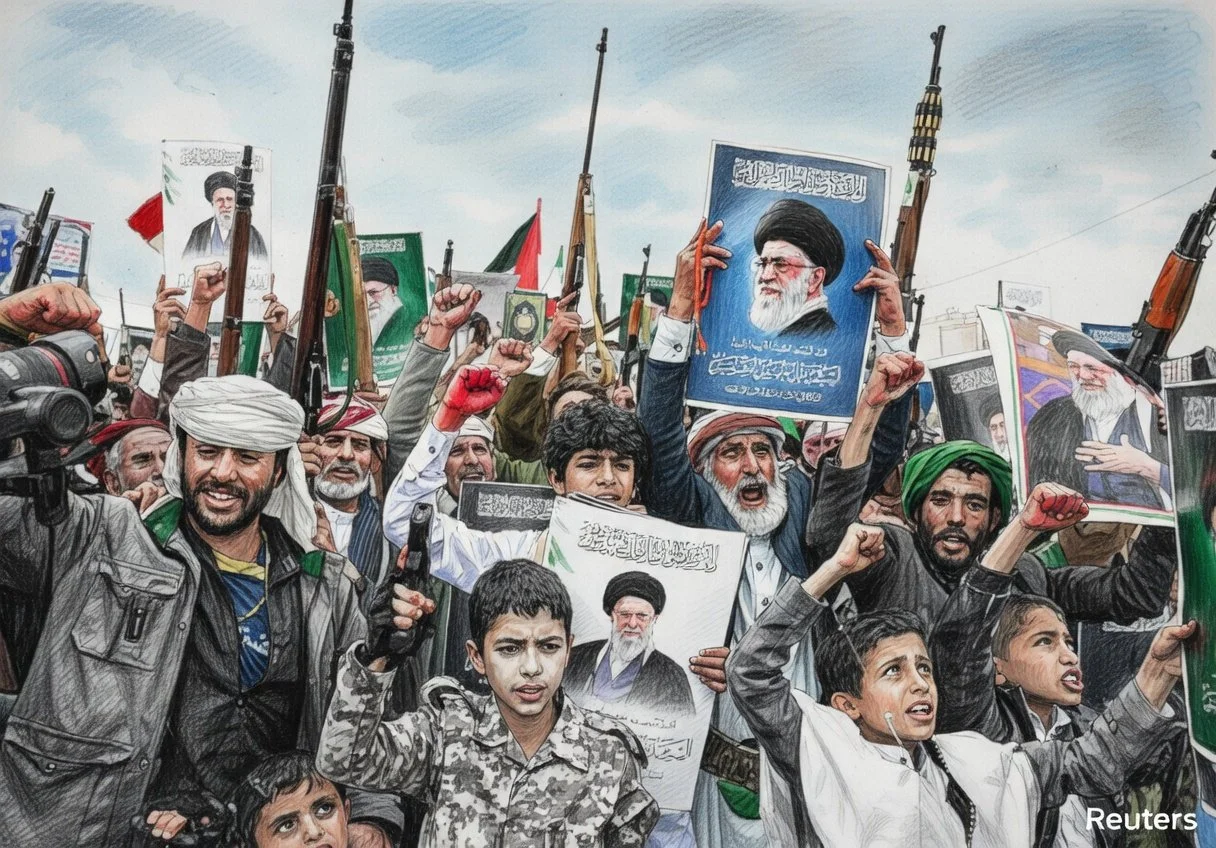
The Iran war has introduced a second, even more volatile variable. Since the Israeli strike on Iranian nuclear facilities in January 2026 triggered a wider regional conflict involving U.S. naval forces in the Gulf, oil prices have spiked above $110 per barrel. Iran’s national team, a regular World Cup participant, is still in qualifying but now operates under a cloud. Tehran has accused the United States of using the tournament as a propaganda platform and has demanded guarantees that Iranian players and fans will not face harassment at U.S. airports. Several Gulf states aligned with the U.S. have already signaled they may refuse to share group-stage facilities with Iran. Meanwhile, European clubs are quietly lobbying FIFA to allow Iranian players to compete under a neutral flag, fearing that a full ban would trigger a broader Asian confederation walkout.
Security planners on both sides of the border are working overtime. The U.S. Department of Homeland Security has labeled the entire tournament a “National Special Security Event.” Drone surveillance, facial-recognition checkpoints, and joint U.S.-Mexican-Canadian intelligence task forces have been activated. The Maduro crisis has added a new layer: Venezuelan exiles and regime loyalists are expected to converge on U.S. venues, raising the risk of clashes. Iranian diaspora groups in Toronto and Los Angeles have already applied for protest permits, citing the war and U.S. involvement. FIFA’s insistence on “political neutrality” is being tested daily; Infantino’s recent closed-door meetings with U.S. and Mexican officials were described by sources as “tense negotiations over visa policy and protest zones.”
Economic ripple effects are equally significant. The surge in oil prices caused by the Iran conflict has driven up the cost of international travel and stadium operations. Airlines serving South American and African delegations have raised fares, while Mexican organizers are struggling with higher fuel costs for cross-border shuttles. At the same time, the U.S. push to control Venezuelan oil assets has created awkward optics for American host cities. Sponsors with ties to Gulf energy firms are reconsidering hospitality packages, wary of being associated with a tournament that could be seen as endorsing U.S. interventionism.
China’s role has grown more pronounced in this environment. Beijing has quietly increased its FIFA funding and streaming partnerships, positioning itself as a neutral alternative for nations wary of U.S. policy. Chinese state media has already begun framing the 2026 World Cup as a stage where “Global South” teams can resist Western dominance — language that resonates with Venezuelan and Iranian officials. U.S. lawmakers have responded with draft legislation that would restrict Chinese-linked sponsorships on national-security grounds, forcing FIFA into yet another balancing act between revenue and diplomacy.
The Russia-Ukraine war continues to cast a long shadow as well. FIFA’s decision to allow Russian teams to compete under a neutral flag has drawn fresh criticism from Ukrainian and Eastern European federations. With the Maduro capture and Iran conflict dominating headlines, some European nations are threatening a partial boycott of group-stage matches involving Russia, arguing that the tournament cannot pretend to be apolitical while major powers are actively at war.
For players and fans, the stakes are intensely personal. A Venezuelan striker whose family fled the Maduro regime may now represent his country under heightened U.S. scrutiny. An Iranian defender could be asked in a press conference to comment on the war at home. An American player from a border state may face questions about immigration policy during mixed-zone interviews. The beautiful game has never been able to escape the world’s ugliest realities, but the 2026 edition feels uniquely exposed.
FIFA’s own credibility is on the line. The organization’s push for “inclusivity” and “human rights” rhetoric now collides with its dependence on sponsorships from Gulf states and its reluctance to confront powerful member associations. The expanded 48-team format was meant to promote global unity; instead, it has created more pressure points. Every group draw, every visa decision, and every protest march will be scrutinized through the lens of the Maduro operation and the Iran war.
As the tournament approaches, one truth has become clear: the 2026 World Cup will not merely be influenced by global politics — it will be defined by them. The matches on the pitch will still crown a champion, but the real contest is already unfolding in diplomatic cables, border checkpoints, oil-trading floors, and protest squares. In an age of fragmentation, the World Cup remains one of the last truly global stages. Whether it can still bring nations together — or will simply mirror how far apart they have grown — will be the story of the summer of 2026.
