
The 'Patriot Games': Trump's Vision for Nationalism in American Sports Events
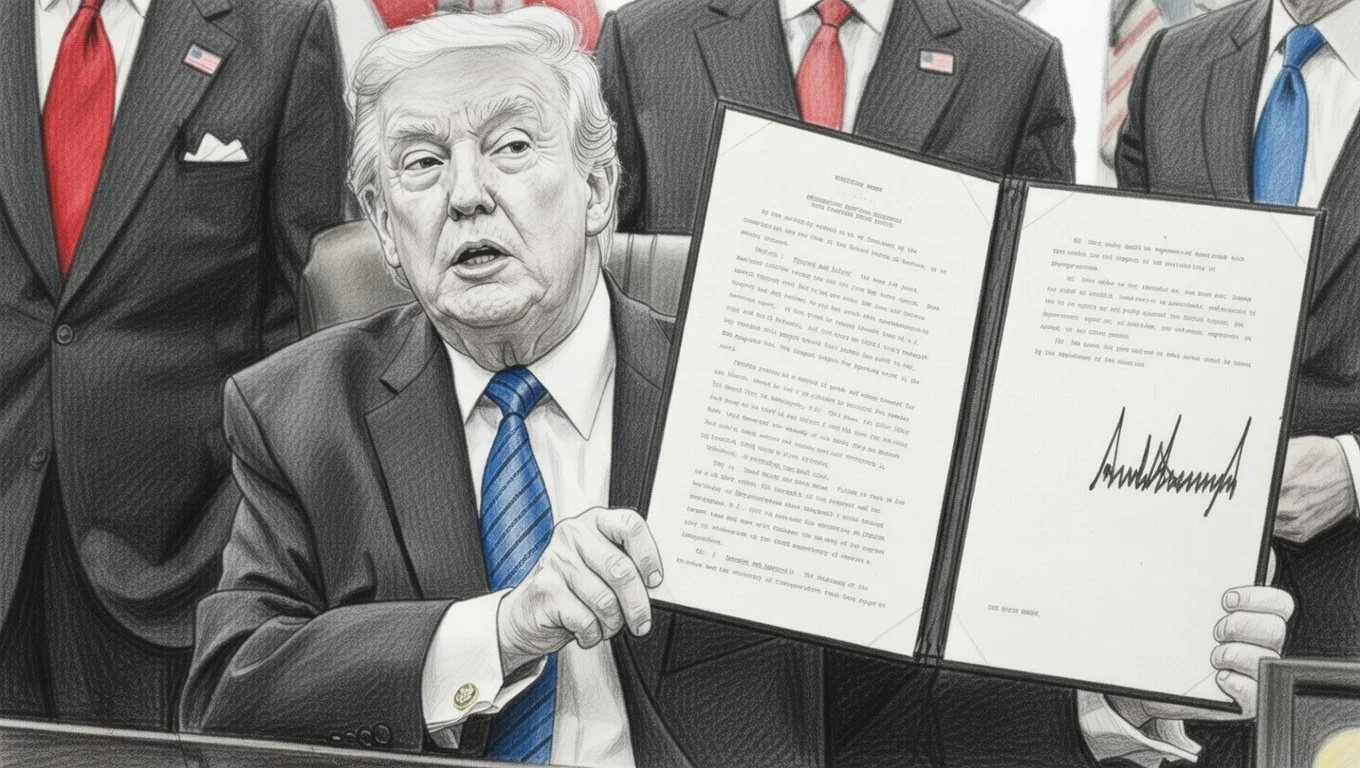
In a bold fusion of speed, spectacle, and national pride, President Donald Trump signed an executive order on January 30, 2026, to stage the "Freedom 250 Grand Prix"—an IndyCar street race through the heart of Washington, D.C. Set for August 23, 2026, near the National Mall, this high-octane event is touted as a centerpiece of the United States' 250th anniversary celebrations, known as America 250. Trump, flanked by racing mogul Roger Penske in the Oval Office, described it as a showcase of "American innovation and achievement," with cars roaring past iconic monuments like the Lincoln Memorial and U.S. Capitol. This proposal, directing the Departments of the Interior and Transportation to design a route, embodies Trump's vision of nationalism in sports—events that blend athletic prowess with patriotic fervor. Yet, it ignites cultural debates on whether such spectacles promote inclusivity or exclusionary jingoism, echoing historical precedents like the 1936 Berlin Olympics where sports served geopolitical agendas.
The Freedom 250 Grand Prix is no mere race; it's a calculated emblem of Trump's "Make America Great Again" ethos. Free and open to the public, broadcast on FOX, it promises to draw crowds to the National Mall, transforming the symbolic seat of American democracy into a circuit of speed and power. Trump envisions it inspiring "future generations," tying motorsport's adrenaline to national history. This aligns with other America 250 plans, including a UFC fight at the White House and youth athletics, positioning sports as vehicles for nationalism. In a post-COVID, politically polarized America, such events could unify under the banner of patriotism—or alienate those viewing them as extensions of Trump's divisive rhetoric on immigration and "America First."
Cultural debates swirl around this vision. Proponents see the race as a celebration of inclusivity: free access democratizes a high-profile event, potentially drawing diverse crowds to honor shared history. Yet, critics argue it veers toward exclusionary nationalism. Trump's history of inflammatory statements on race and immigration—coupled with the event's name evoking "freedom" amid debates over voting rights and border policies—raises questions of who this patriotism serves. Will immigrant communities, key to D.C.'s fabric, feel welcome amid Trump's deportation drives? The Mall, site of Martin Luther King Jr.'s "I Have a Dream" speech, now hosting a race named for "freedom," invites irony: does it honor inclusive American ideals or a narrower, Trump-branded version? This tension mirrors broader cultural shifts, where sports events like NFL anthems or Olympic boycotts become battlegrounds for identity politics.
Historically, Trump's approach evokes the 1936 Berlin Olympics, where Adolf Hitler harnessed the Games for Nazi propaganda. Dubbed the "Nazi Olympics," they showcased Aryan supremacy through architectural grandeur and athletic dominance, masking the regime's racism and militarism. Over 100,000 spectators filled the Olympiastadion, with Jesse Owens' four golds famously undermining Hitler's ideology. Geopolitically, Berlin 1936 served as a soft-power tool, projecting German resurgence amid pre-WWII tensions. Similarly, Trump's Freedom 250 leverages sports for nationalistic display: the D.C. race, amid U.S. global assertiveness (e.g., Greenland disputes), could project American exceptionalism. Both eras use events to unify domestically while signaling strength abroad—Berlin amid economic recovery, D.C. during Trump's "America First" revival. Yet, Berlin's dark undertones warn of risks: when sports entwine with ideology, they can exclude (e.g., Jewish athletes barred in 1936) or divide, as potential protests over Trump's policies might mar the race.
The proposal's impacts ripple through culture and geopolitics. Economically, it promises boosts—similar to Formula 1's Miami Grand Prix generating $350 million—but at what cost to inclusivity? D.C. residents, a diverse mix including many immigrants, may face disruptions, fueling debates on public space usage. Geopolitically, in a world of U.S.-China trade wars and European alliances strained by Trump's tariffs, the event could serve as diplomatic theater, inviting foreign dignitaries while underscoring American dominance. Culturally, it challenges sports' apolitical myth: like Berlin's propaganda films, modern broadcasts could amplify nationalist narratives, influencing global perceptions of U.S. identity.
As August 2026 approaches, the Freedom 250 Grand Prix tests whether Trump's nationalist vision unites or divides. In echoing Berlin 1936's undertones, it reminds us: sports events are never just games—they're mirrors of societal values, where patriotism and inclusivity must coexist for true victory.
